
How to travel without motion sickness
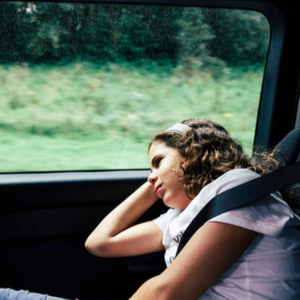
During summer holidays, many of us experience the discomfort of motion sickness while traveling by car, coach, plane, or boat. Motion sickness is also known as kinetosis, and it's particularly common in children, but can also affect a lot of adults.
According to the U.S. government's MedlinePlus portal, one in three people are prone to it. Symptoms include paleness, cold sweats, dizziness, a feeling of discomfort in the upper stomach, nausea, and headaches. If you're affected, no doubt some of those unpleasant sensations will be familiar.
The condition can also be exacerbated when encountering mountain roads, waves, or air turbulence, depending on your mode of transport. What's more, it can hit both passengers and drivers just as badly.
What causes motion sickness?
It's actually down to a conflict between the moving things we see in front of us and our body's immobility while seated, which the inner ear perceives as stillness. Going around a corner is a perfect example. This contrast triggers a response from the brain. The inner ear plays a key role, and particularly the vestibule, which is our balance organ. All of this sees the body struggle to adapt.
What can I do to prevent motion sickness?
Well, it's best not to travel on an empty stomach as low blood sugar levels can make it more likely to occur. Whatever kind of vehicle you're in, try to focus on the horizon to reduce the conflict between the senses and the inner ear. Fresh air on your face can help. As well as staying hydrated, you can even allow yourself a sugary drink. Here are a few vehicle-specific tips to also bear in mind.
In a car, you want to ideally sit in the front seat, look at the horizon and avoid reading. On a train, if possible choose a seat facing the direction of travel. On a boat, stay on deck if you can and choose a cabin in the middle of the boat, where there's less motion. On a plane, seats near the wings will provide a more stable experience.
What should I do if I start experiencing motion sickness?
If you're a passenger in a car, ask your driver if you can get some fresh air as soon as possible. Take the opportunity to lie down for a bit if you can. Some experts also recommend essential oils like peppermint, tropical basil, and lemon zest to counter nausea. You can mix all three with a carrier oil like sunflower oil, or use them individually. Simply apply a few drops to your wrist and inhale as needed. They're only suitable for adults, though, and women who are pregnant or breastfeeding should avoid them.
You can also find motion sickness bracelets, which aim to stimulate a specific acupuncture point. But their effectiveness has been called into question as it's not been proven that they prevent nausea. There you have it!
词汇表
motion sickness [ˈməʊʃn ˈsɪknəs] 晕动症,运动病(指晕车、晕船、晕机)
coach [kəʊtʃ] 长途客车,大巴
kinetosis [ˌkɪnɪˈtəʊsɪs] 运动病,晕动症
portal [ˈpɔːt(ə)l] 门户网站,入口站点
be prone to [prəʊn] 易于…的,有…倾向的
paleness [ˈpeɪlnəs] 苍白,脸色苍白
cold sweat [swet] 冷汗
dizziness [ˈdɪzinəs] 头晕,眩晕
upper stomach [ˈʌpə(r) ˈstʌmək] 上腹部
nausea [ˈnɔːziə] 恶心,反胃,呕吐感
exacerbate [ɪɡˈzæsəbeɪt] 使恶化,加剧,加重
air turbulence [ˈtɜːbjələns] 空气湍流(可能会导致飞机晃动或颠簸)
immobility [ˌɪməˈbɪləti] 不动,固定性
inner ear 内耳(控制身体平衡和听力)
vestibule [ˈvestɪbjuːl] 前庭(内耳中负责平衡的部分)
low blood sugar levels 低血糖水平
stay hydrated [ˈhaɪdreɪtɪd] 保持水分充足,及时补水
deck [dek] 甲板(船或飞机上的)
cabin [ˈkæbɪn] 船舱,机舱,小木屋
wing [wɪŋ] (飞机的)机翼
essential oil [ɪˈsenʃl] 精油,植物精油
peppermint [ˈpepəmɪnt] 薄荷,薄荷糖
tropical basil [ˈtrɒpɪkl ˈbæzl] 热带罗勒
lemon zest [ˈlemən zest] 柠檬皮屑
counter [ˈkaʊntə(r)] 对抗,缓解,抵消
carrier oil [ˈkæriə(r)] 基础油(用于稀释精油的油)
sunflower oil [ˈsʌnflaʊə(r)] 葵花籽油
wrist [rɪst] 手腕,腕关节
inhale [ɪnˈheɪl] 吸入,吸气
breastfeed [ˈbrestfiːd] 母乳喂养,哺乳
bracelet [ˈbreɪslət] 手环,手镯
acupuncture point [ˈækjupʌŋktʃə(r)] 穴位
be called into question 受到质疑,被提出疑问
🪴翻译和pdf见公众号【琐简英语】,回复"1"可进入【打卡交流群】

Do you really know|如何拥有一场不晕车的旅行?
3分钟 · 1425·
1425· 0
0
14250