
 5
5 0
0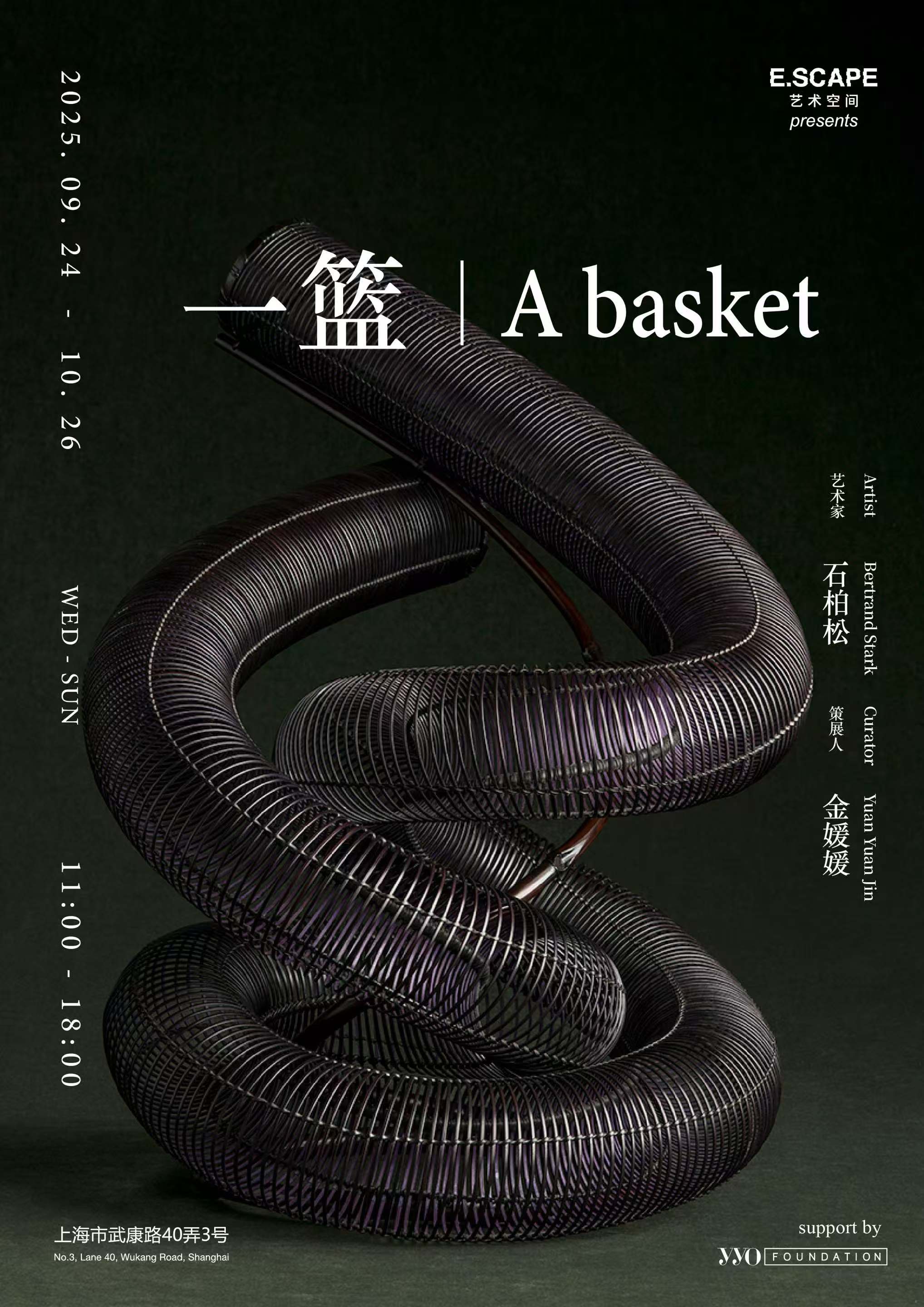
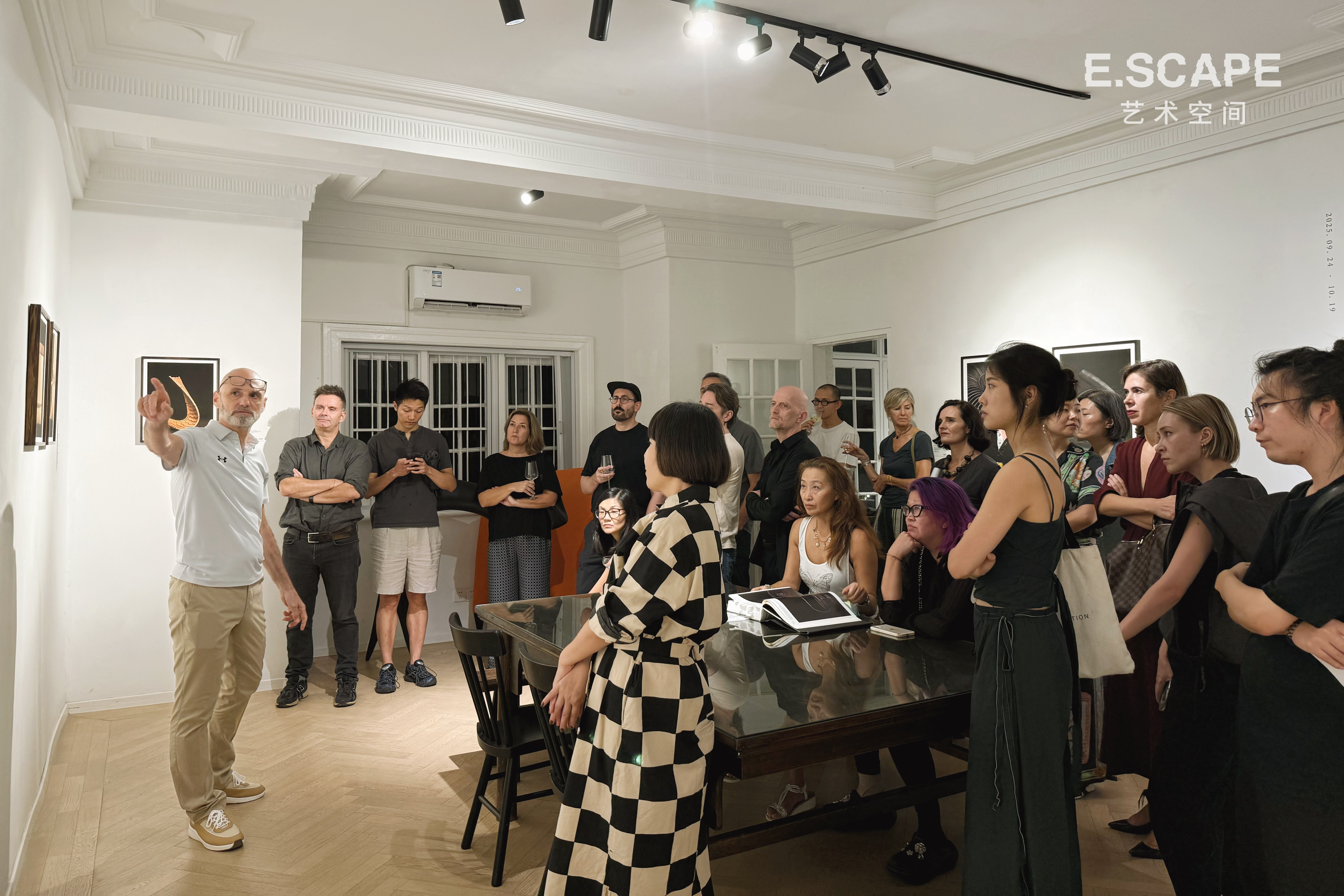
本期嘉宾>>> 石柏松 Bertrand Stark
上世纪90年代中期,石柏松毅然转型,投身摄影、创意指导及视觉内容制作领域,其作品以融合品牌调性与美学澄澈度见长,既具商业效力,又葆有艺术独特性。在商业创作之外,石柏松始终培育着超越市场需求的文化情怀。他的摄影视角聚焦于承载历史回响的器物与传统,尤以日本手工艺为甚。这份兴趣逐渐演化为一系列坚定迈向艺术领域的创作,日本竹篮系列正是典范。石柏松将这些编织物视为文化传承的雕塑表达,而非实用器具。通过精妙的光影控制、构图与视角,他的照片揭示出纹理、形态与阴影的交织对话,将每只竹篮升华为精准与诗意的研究。这些影像既致敬匠人之手,亦传递出对传统工艺中“材质灵性”的迷恋。
时间轴>>>
"I had no future in the finance industry. So I decided to move on to something else. One of my best friends had followed an artist path since an early age. I decided that me too, I would embark on something away from numbers and something that would open my mind to more creativity. The problem was that I didn't have any background in art whatsoever and not enough money to burn for the next two or four years that would be needed for my training. So actually I picked photography as what I thought would be the easiest path to be able to pay a small rent, and still be able to generate a minimum income. I went on to insist fashion photography for three years, then starting my own practice after that."
“我在金融行业没有前途,于是决定另谋出路。我最好的朋友之一从小就走上了艺术家的道路,我也决定远离数字世界,投身能激发更多创造力的领域。问题在于我毫无艺术背景,更没有足够资金支撑未来两到四年的学习开销。最终我选择了摄影——当时认为这是最容易维持生计的途径:既能支付微薄房租,又能保障基本收入。此后我专注时尚摄影三年,才开始独立工作。"
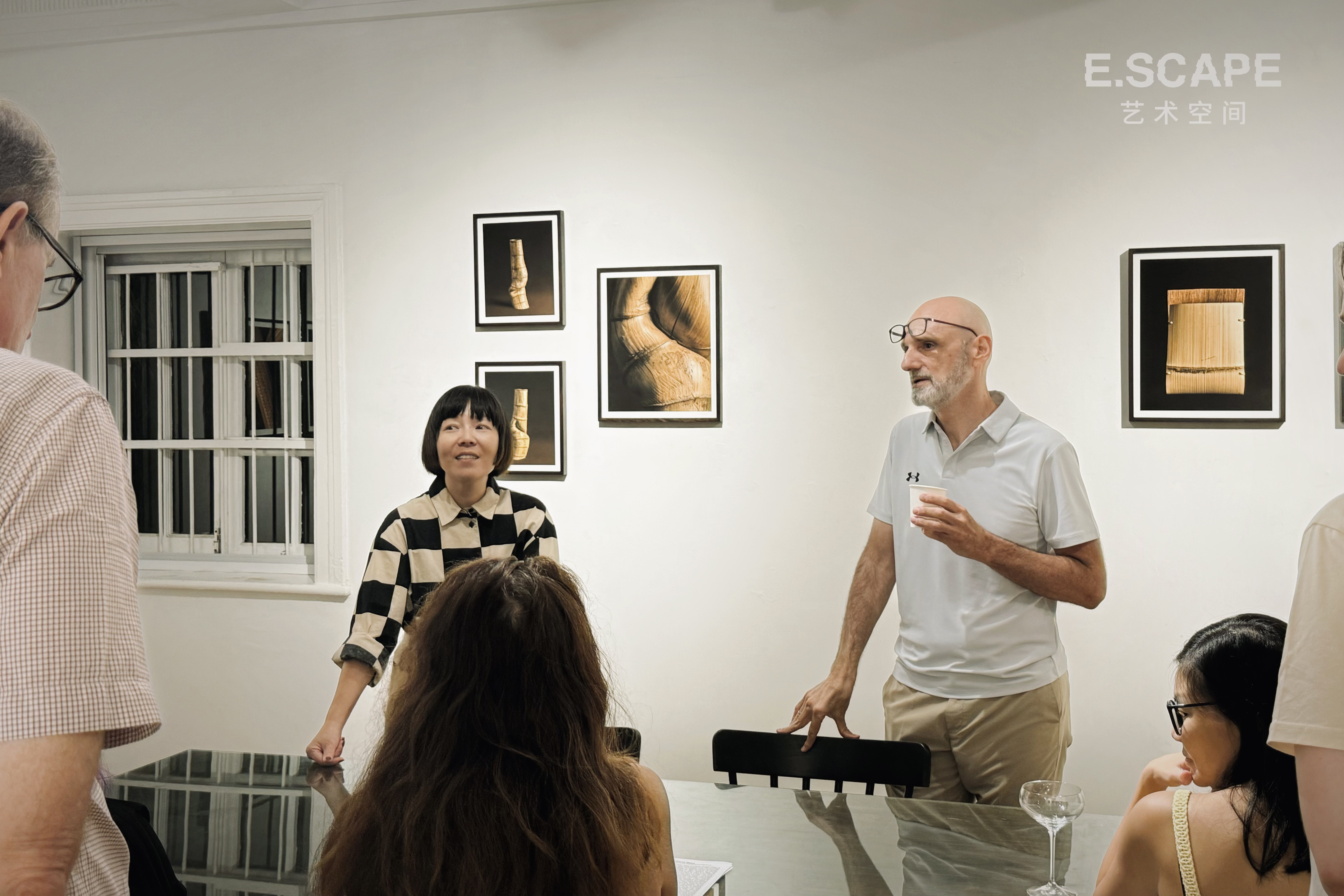
"I was trained by this car photographer. This was my first real training, my first world training behind the camera, because what I started to do at this Elf studio for a few weeks was a basically carrying light in the studio. I started at the base, really at the base of the job. But with this car photographer, Evan Hanson, to give you his name, I started using the camera myself, for the first time and it was 8 : 10. So I got trained in photography with 8 : 10 camera."
“我曾受教于这位汽车摄影师。这是我真正意义上的首次训练,也是我首次在镜头后接受专业训练,因为我在Elf工作室最初几周的工作,基本上就是搬运摄影棚里的灯光设备。我从最基础的工作做起,真正从底层做起。但跟随这位汽车摄影师,埃文·汉森,我第一次亲手操作相机,用的正是8×10相机。所以我的摄影训练是从8×10相机开始的。"
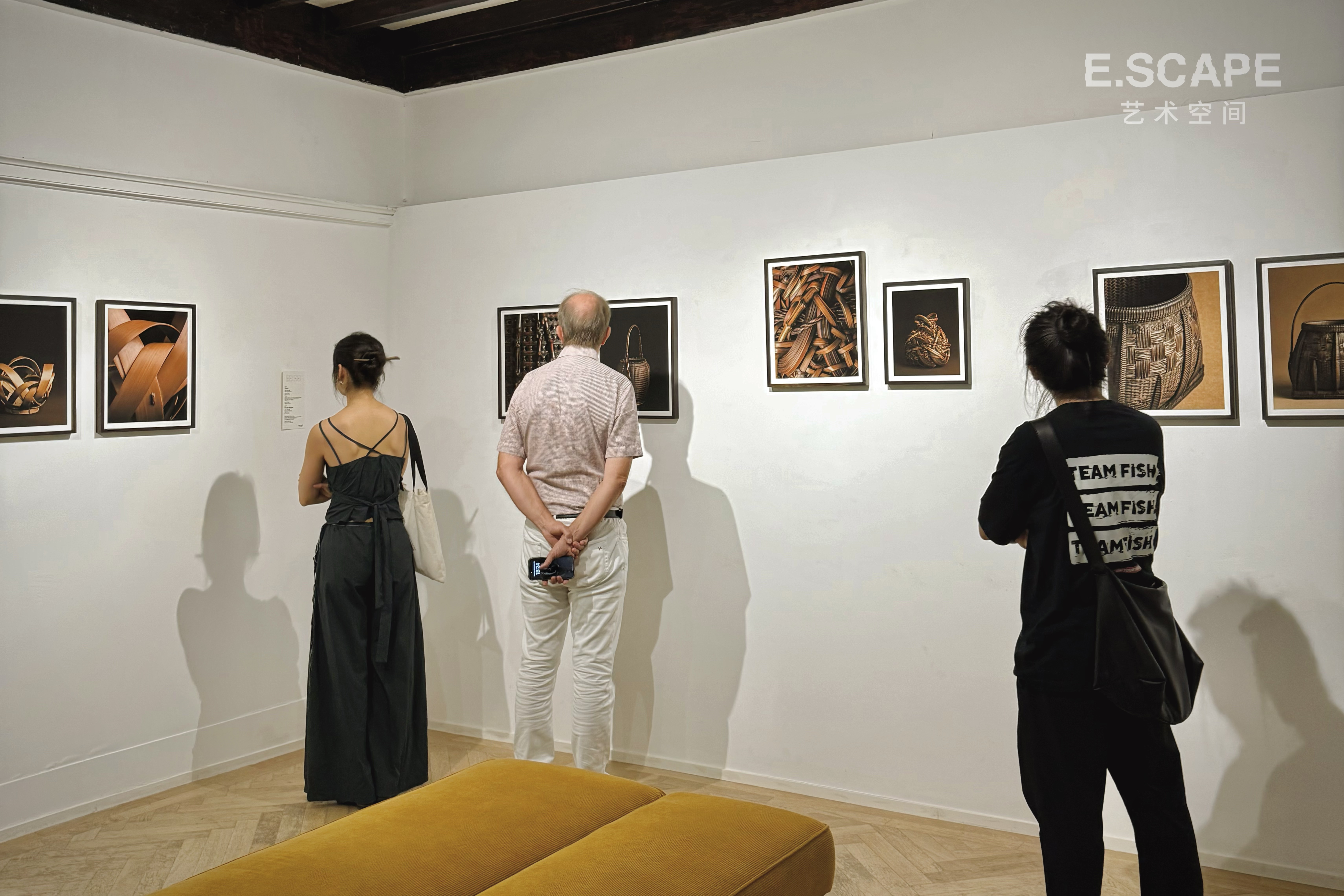
"There is a process, there is a way pass, from preparation, shooting and then post-production until you get the final result. And this process is not the same, especially during the shooting moment, shooting still life. It's something which is very zen, ultra-zen, I must say. If you look at the still life photographers, they like to be alone in their studio, they like to be given time, they arrange things, they prepare things. It requires a lot of concentration and thought."
“存在一个过程,存在一条路径,从准备、拍摄到后期制作直至获得最终成果。而这个过程并非千篇一律,尤其在拍摄静物时。我必须说,这是一种极致的禅意体验。观察静物摄影师的工作状态,你会发现他们偏爱独处工作室,享受充裕的时间来布置场景、精心准备。这需要高度的专注力与深思熟虑。”
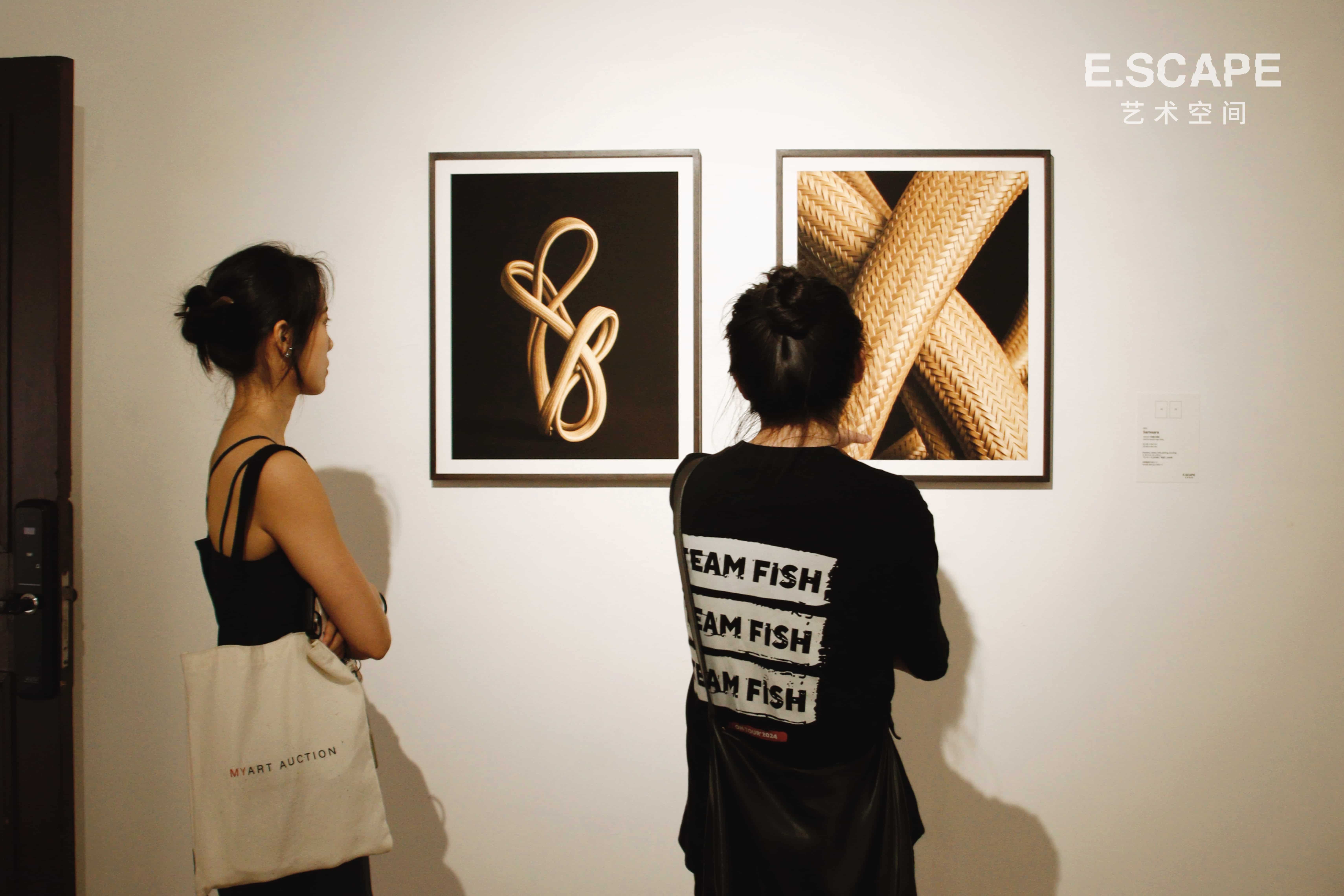
"It's more for the audience to tell what is my style, but for myself, I don't like brutality, I like elegance. And always attentive to the matching of colors. For me, this is very important. The grading in other color paring works. The elegance as well, so it means that there's things that I don't like to see on a picture, and there are things that touch me on a picture. And also as you said earlier in this conversation, we were talking about mood, I think creating a mood is important. So if there's the mood, the grading and the elegance, I'd say I'm satisfied."
“观众更能评判我的风格,但就我个人而言,我不喜欢粗暴,偏爱优雅。始终注重色彩搭配,这对我至关重要。其他配色方案的分级处理同样奏效。优雅同样如此,这意味着有些画面元素我无法忍受,而另一些则能触动心灵。正如你之前提到的氛围感——营造情绪氛围至关重要。当画面兼具氛围感、色彩分级与优雅气质时,我才会感到满意。”
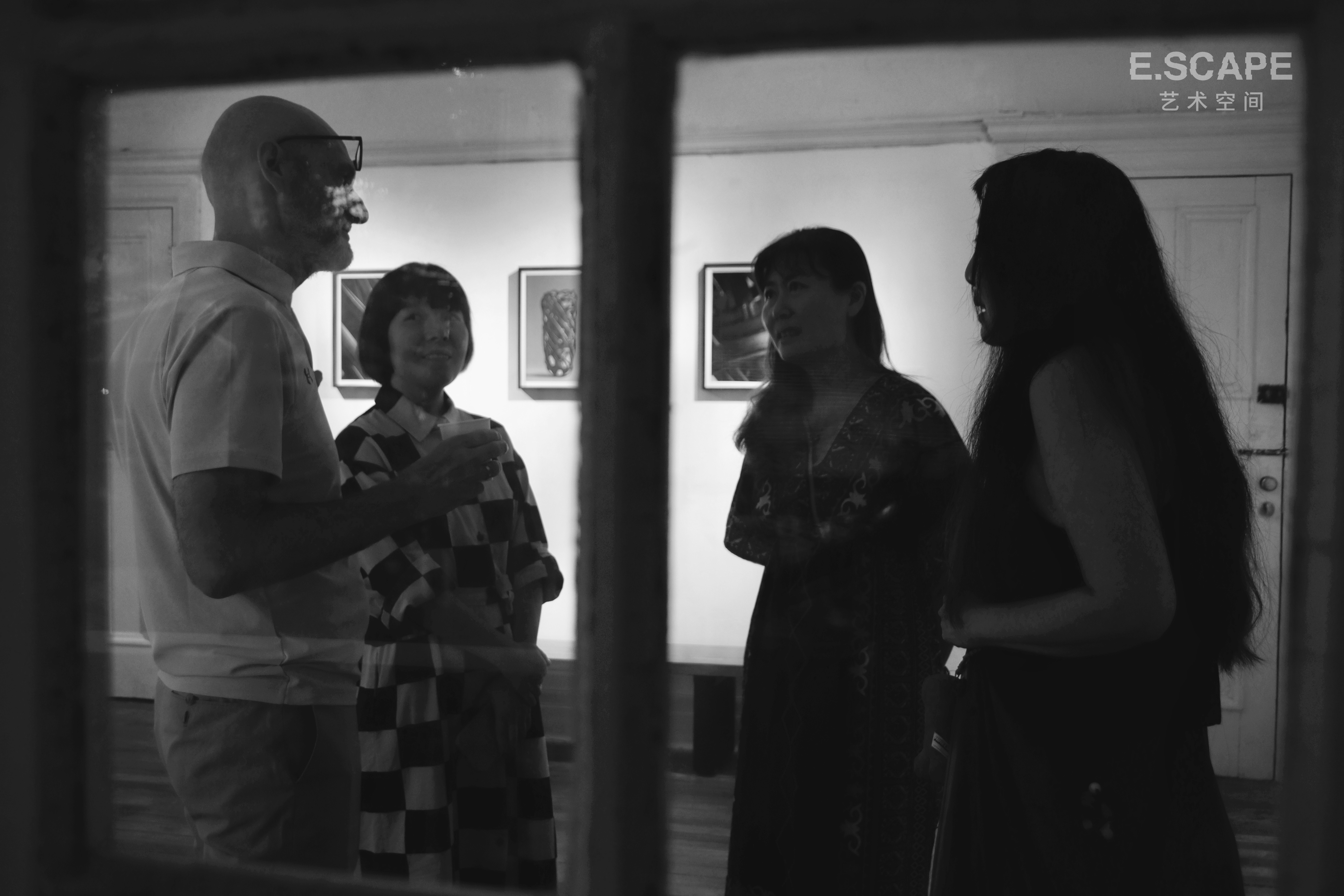
"Elegant has to do with very subtle codes that you received from a very young age in your education and it's tiny tiny, little details, and I was not raised here, although I spent many years in Asia, I probably still commit a lot of mistakes when it comes to Asian, what I call 'elegance codes'."
“优雅关乎那些自幼在教育中潜移默化习得的细微准则,体现在点点滴滴的细节之中。虽然我在亚洲生活多年,但毕竟并非在此成长,在亚洲文化中我所称的‘优雅规则’方面,恐怕仍会犯下诸多错误。”
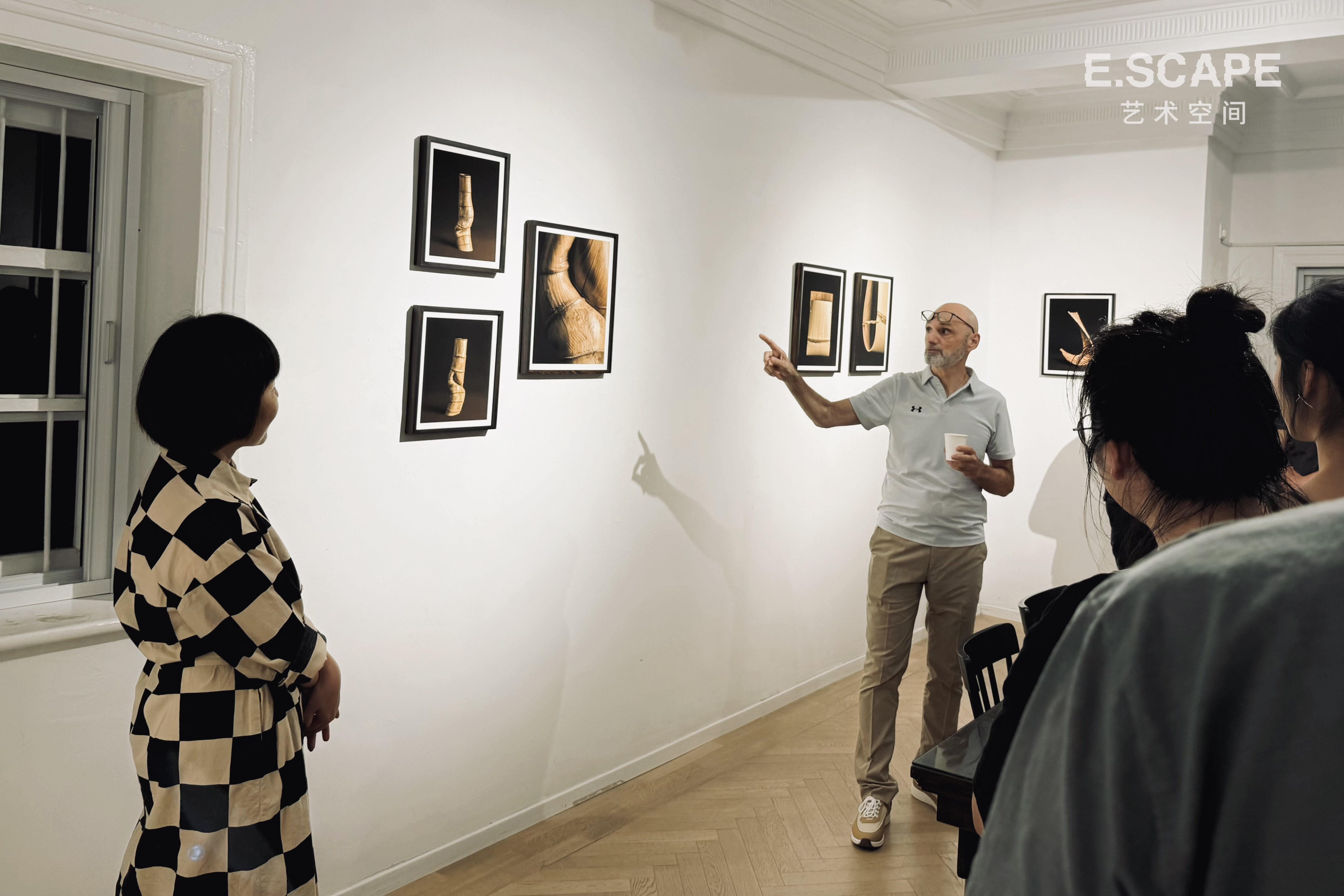
"What is the most important thing in documenting is information. When the idea that I had is I was emotionally moved by the pieces, and my idea in doing a book was to try to translate this emotion and not just strictly speaking, informing the viewer of what it was saying, is trying to tell my own mental state, when I was facing those objects, and my own fascination with those objects. And I hope that I managed somehow to give some of this love, or at the same time, love, respect, admiration for those objects myself."
“在记录过程中最重要的莫过于信息本身。当我被这些物件深深触动时,创作书籍的初衷便在于传递这份情感——不仅是向观众阐释物件的含义,更要展现我面对它们时的精神状态,以及我对这些物件的痴迷。我希望自己能以某种方式传递这份热爱——或者说,这份对物件的热爱、敬意与崇拜,正是发自我的内心。”
"You need to tell a story, bring the reader along with a certain flow, and this is something else. So you have to discuss with all the people because you cannot be the only contributor in a journey like this. It's a question of having the art direction."
“你需要讲述一个故事,带着读者顺着某种节奏前行,而这又是另一回事。因此你必须与所有人商讨,因为在这段旅程中你不可能是唯一的贡献者。这关乎艺术方向的把握。”
采访>>> 金媛媛
编辑/剪辑>>> 罗佳
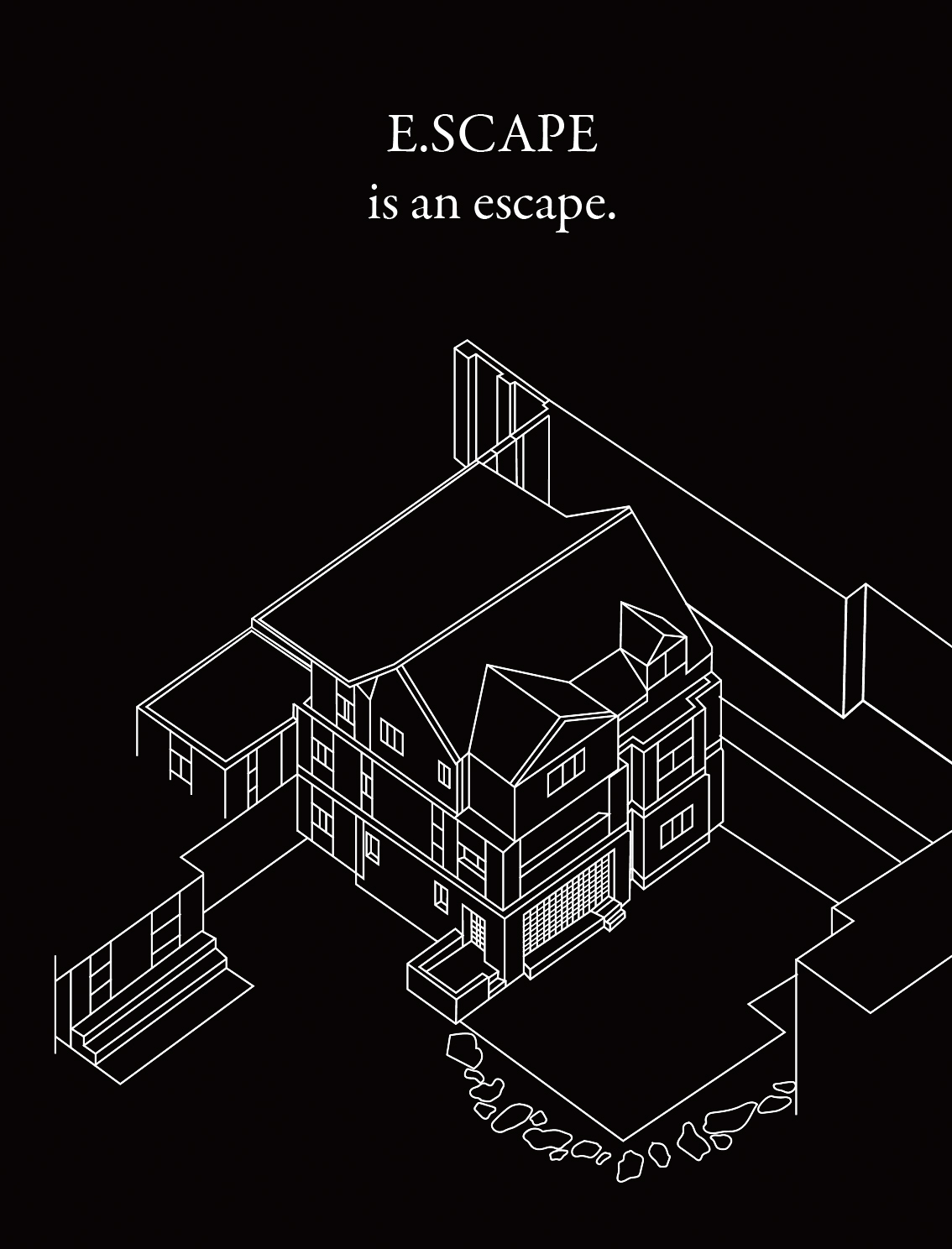
关于 E.SCAPE 艺术空间
E.SCAPE是一个集艺术、设计、时尚、音乐和表演于一体的实验室。空间位于上海市武康路,在当地语境下支持年轻创作者、国际社团、艺术家驻留、文化活动和艺术现场等项目。E.SCAPE 艺术空间致力于展示和探索创造性事件的多元空间,将艺术中的人性转化为有形的、面向公众的叙事,并审视其如何塑造当代文化。