
 294
294 0
0一口英语。
Not a lesson—just a sip.
不是上课——就喝一口。
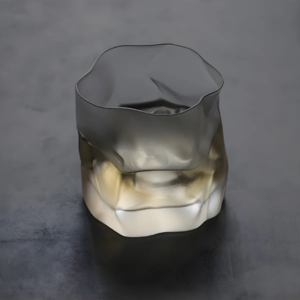
Picture this: a frosted, faceted glass sitting on a textured dark surface.
想象一下:一个磨砂(frosted)、**有切面(faceted)的杯子,放在深色、带纹理的台面(textured dark surface)**上。
It’s got this wavy, irregular shape—almost like it melted into its own design.
它的形状有点波浪(wavy)、有点不规则(irregular),像是“自己融化成了自己的设计”。
And the look? Opaque, cloudy—it reflects light softly, but it won’t let you see through.
它的质感是:不透明(opaque)、雾雾的(cloudy)——光线在上面柔和地反射(reflects light softly),但你就是看不穿。
That’s the word today: opaque.
所以今天的词就是:opaque。
Opaque means not transparent—you can’t see through it.
Opaque 的核心意思是:不透明——你看不透它。
Light might hit it and glow on the surface, but the details behind it? Hidden.
光可以打在表面发亮,但后面的细节?被挡住了。
So here’s the quick contrast you’ll actually use:
给你一个最实用的对比:
transparent:透明,看得清
translucent:半透明,透光但模糊
opaque:不透明,看不穿
That’s why a frosted glass can be translucent… but when it’s cloudy enough, it becomes opaque.
所以磨砂玻璃有时候更像 translucent;但如果它雾到几乎看不穿,就可以叫 opaque。
Opaque glass.
不透明玻璃 / 雾面不透玻璃。
Opaque curtains.
遮光、不透的窗帘。
An opaque bottle.
不透明的瓶子。
The water turned opaque after the storm.
暴风雨后水变得浑浊到看不透。
His explanation was opaque.
他的解释很 opaque。
Meaning: it was unclear, hard to understand—like you can’t see through it.
意思是:不清楚、难理解,就像“看不穿”。
Lock it in:
记住一句:
Opaque = not see-through. And in ideas, opaque = not easy to understand.
Opaque = 物理上不透明;比喻上不清楚、让人看不懂。
One word. One sip.
一个词,一口。
Now you’ve got the perfect word for something that glows… but keeps its secrets.
现在你有了一个词,形容那种“会发光,但藏着秘密”的质感。
