

 11
11 0
000:00 片头
00:14 中英文介绍
It's Feb 10. I started to read the book How to See 3 weeks ago.
At the beginning I was not able to understand or relate to the parts about a cloud floating in paper, in your tea,or in a rose.
As time goes by, I was able to see better.
I’d like to share a few parts today:
三周前,我开始读《如何看见》这本书。
起初,我不是很理解纸和云,茶杯里的云,云和玫瑰。
随着时间过去,我似乎可以看见。
今天想分享书中的几段:
00:39 英文朗读
05:33 中文朗读
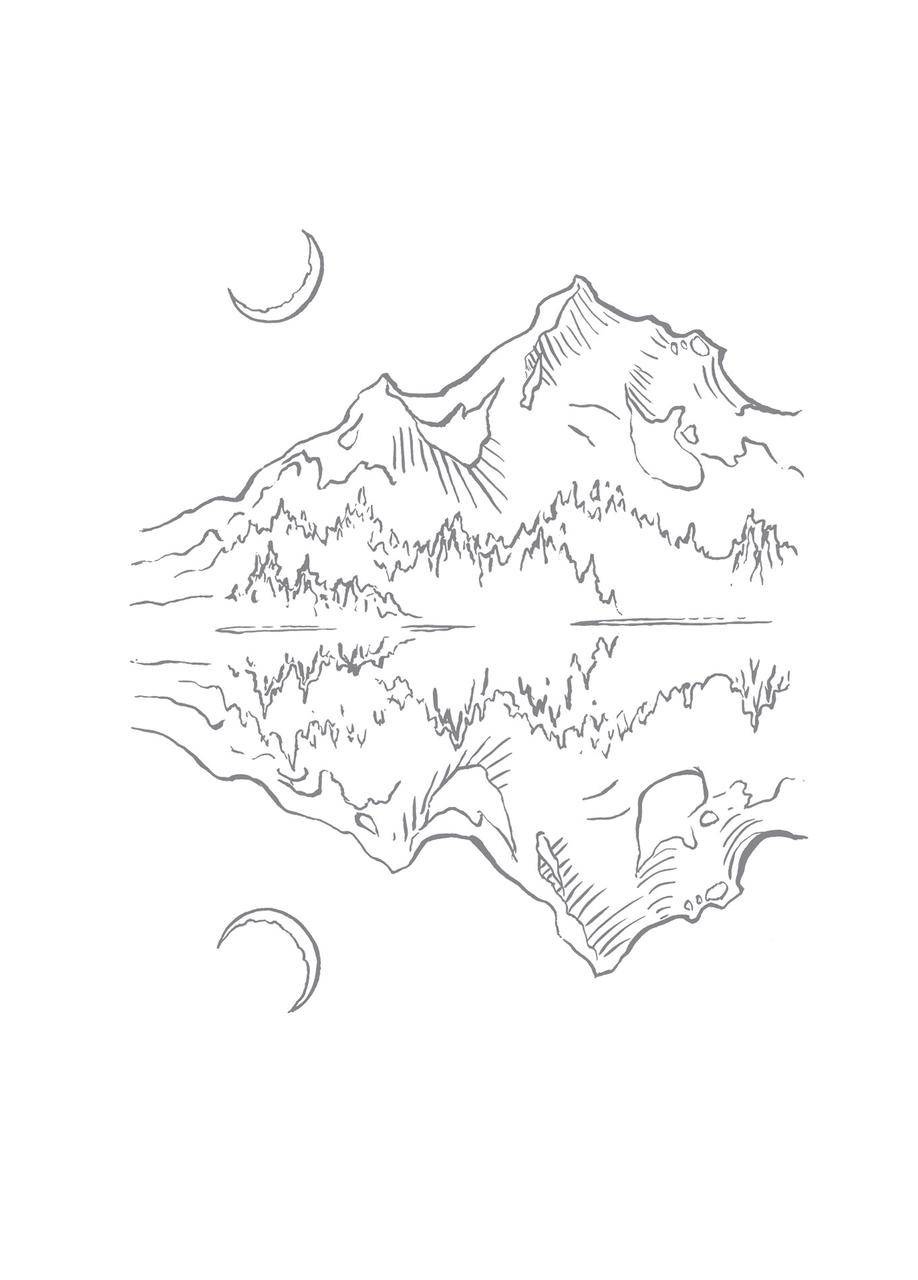
01.WATER REFLECTING
The clear still water of a mountain lake reflects the mountain and the sky with pristine clarity. You can do the same.
If you are calm and still enough, you canreflect the mountain, the blue sky, and the moon exactly as they are. Youreflect whatever you see just as it is, without distorting anything.
静水反照
高山湖泊清澈的静水如实地倒映着山峦和天空,
你也可以这样。
如果你足够冷静和安稳,
就能精准地映照山峦、蓝天和月亮的本来面目,
只是如实地映照你所看到的一切而没有扭曲。
02. RIVER OF PERCEPTIONS
In each of us there is a river ofperceptions. Perceptions arise, stay for a period of time, and cease to be.When our mind is not calm, we do not see clearly. Like the surface of a lake ona windy day, the image we see is distorted. Our perceptions are oftenerroneous, and cause us to suffer and cause others to suffer. It is veryhelpful to look deeply into the nature of our perceptions, without being toosure of anything. When we are too sure, we suffer. When we ask ourselves, “Areyou sure?” we have a chance to look again and see if our perception is corrector not.
感知的河流
每个人内在都有一条感知的河流。
感知出现,停留一段时间,然后不复存在。
当心不安稳的时候,我们就无法如实看清现实。
犹如大风天的湖面,倒映的图像是扭曲的。我们的感知往往是错误的,这导致我们自己和他人受苦。
深观感知的本质,对其不需太过确信,这会对我们有帮助。
当我们太过确信时,就会受苦。
当自问“确定吗?”,我们就有机会再次审视,看看自己的感知是否正确。
05. SEEING THE TRUE NATURE OFTHINGS
The practice of full awareness is to lookdeeply in order to see the true nature of things and go beyond our inaccurateperceptions. Seeing a rope as a snake, we may cry out in fear. Fear is afeeling brought about as a result of our wrong perception. Our perceptions areoften inaccurate and can bring about strong feelings and reactions and causemuch unnecessary suffering. Once we have seen the true nature of the object ofour fear, our fear will vanish.
看见真实
修习全然觉知,即是通过深观超越错误感知,并看到事物的真实本性。
视绳子为蛇,我们可能会被吓到尖叫。
我们因为错误感知而感到恐惧。
感知往往不准确,却带来强烈感受和反应,造成许多不必要的痛苦。
一旦我们看到恐惧对象之真实本质,恐惧便会随之消散。
07. THE SOURCE OF OUR PERCEPTIONS
The source of perception, our way ofseeing, lies in our unconscious mind. Most of our perceptions are erroneous.They carry with them all the errors of subjectivity. We praise or blame, arehappy or complain depending on our perceptions. Our perceptions are made ofmany things, including our afflictions, such as craving, anger, and ignorance,as well as our habit energies and past experiences. Whether we are happy orwhether we suffer depends largely on our perceptions. It is important to lookdeeply into our perceptions and recognize their source.
感知的来源
感知来源、认知模式隐藏在我们的潜意识中。
我们的大部分感知都是错误的,充满了主观偏见。
赞美还是责备,感到开心还是抱怨,都取决于自己的感知。
我们的感知由许多因素构成,包括我们的烦恼,例如贪婪、愤怒和无明,还有我们的习性和过往的经历。
苦乐很大程度上取决于自己的感知,因此深观我们的感知并看到其来源非常重要。
12. EVERYTHING IS POSSIBLE
Nagarjuna /nəɡɑːrˈdʒuːnə/, the second century Buddhist teacher,said, “Thanks to emptiness, everything is possible.” Emptiness is another term for nonself; when we say things are empty, it means they are without a separate self. Nonself and impermanence are two sides of reality; impermanence is looking at reality in terms of time, and nonself is looking at reality in terms of space. When we look deeply into our fears, we can see our desire for permanence and our fear of change. But impermanence and nonself are not something negative. Impermanence means transformation at every moment.Therefore we can say, “Thanks to impermanence, everything is possible.”
一切皆有可能
公元二世纪的佛教导师龙树说过:空性让一切皆有可能。
空性,是无我的另一种说法。
当我们说事物是空时,意味着它们并没有一个独存的自我。
无我与无常是实相的两面,分别从空间和时间两个角度看待实相。
深观恐惧,我们可以看到自己对永恒的渴望和对变化的抗拒。
其实,无常和无我并非负面的
无常意味着每一刻都在变化。
因此,我们可以说:“无常让一切皆有可能。”