
STEVE INSKEEP, HOST:
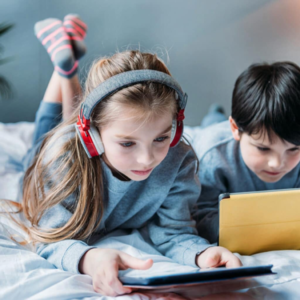
We have some advice about how to help children handle unhealthy habits like eating too many sugary treats or spending too much time on that addictive device in your hand. For decades, psychologists have encouraged parents to help kids build up willpower. Our friend Michaeleen Doucleff reports that some now see a better strategy.
MICHAELEEN DOUCLEFF, BYLINE: In a nutshell, willpower is the ability to resist a temptation right in front of you - your ability to say no to a fast food cheeseburger and choose baked salmon instead, or to resist the video game and finish your homework.
MARINA MILYAVSKAYA: A fruitful resistance of temptation.
DOUCLEFF: That's Marina Milyavskaya. She's a psychologist at Carleton University in Ottawa, Canada. She says scientists once thought that having a lot of willpower was the ticket to a good life.
MILYAVSKAYA: People with better willpower would be kind of more successful in life.
DOUCLEFF: They were more likely to get better grades, have better relationships, even eat healthier diets. Parents have been told to build up their kids' willpower the way athletes build up muscles, through practice. Let children play video games every day and teach them to stop after 1 hour. Expose your children to sugary and junk food, then teach them how to resist them. But Michael Inzlicht at the University of Toronto says...
MICHAEL INZLICHT: Evidence from my lab and other people's labs suggests that it's not going to help you for the long term.
DOUCLEFF: In fact, he says, there's accumulating evidence that trying to build up kids' willpower actually backfires. By offering children temptations regularly, parents are teaching kids to prefer and want these foods and activities.
INZLICHT: And guess what the kids are going to like? Fatty foods and sweet foods because that's what we're programmed to like.
DOUCLEFF: So what strategies do work for modern foods and technologies? Wendy Wood is a professor emerita of psychology at the University of Southern California. She says the better strategy is to teach kids to set up their lives so they don't need to use willpower.
WENDY WOOD: How to choose situations that reduce the likelihood of doing things that aren't good for them, how to control the temptations.
DOUCLEFF: And you do that by creating times and places in your life where temptations aren't an option at all.
WOOD: How do you learn, when you're studying, to leave your phone in another room?
DOUCLEFF: You learn to use apps that block distracting websites and games. You learn to keep sweets and ultra-processed foods out of your house and out of your backpack or car. And, Wood says, parents can teach kids to love the healthier alternative.
WOOD: Your kids' choices are malleable. And it's really influenced, in part, by what they're exposed to.
DOUCLEFF: Give them oodles of opportunities to experience the pleasure of these healthy options. And don't talk about the healthy options as a burden or a punishment. Studies show that if you celebrate and enjoy the healthy foods and activities, you grow to love them.
WOOD: You can truly learn to like the things that are good for you.
DOUCLEFF: So if you want your child to love salmon, talk about how great it tastes with yummy, garlicky soy sauce, and how great you feel after eating it, something that a frozen, ultra-processed dinner can't do.
For NPR News, I'm Michaeleen Doucleff.
INSKEEP: Man, I want some salmon now. Michaeleen was a longtime NPR science correspondent and has a lot more about kids, junk food and screens in her new book called "Dopamine Kids."
📻 更多听力及文本见公众号【琐简英语】,回复"1"可进【打卡交流群】
NPR|Tips to help kids handle screens and fast food
4分钟 · 378·
378· 0
0
3780