


 20
20 0
0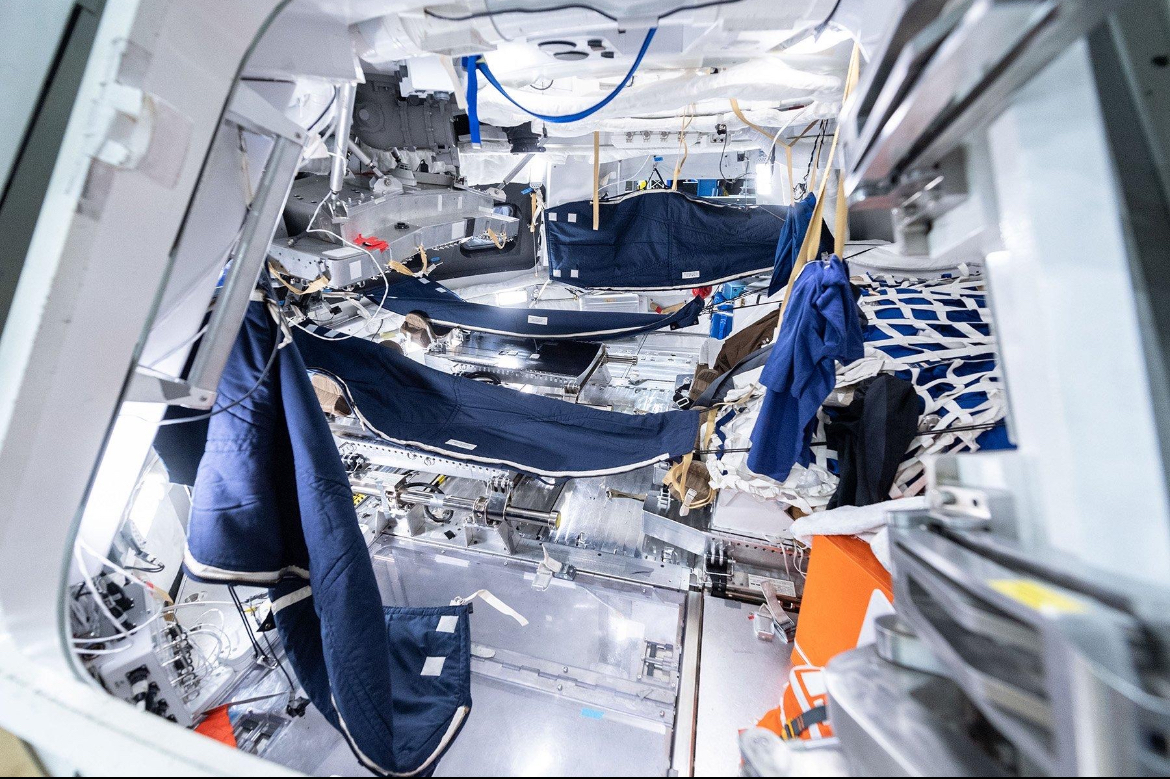

Artemis II: Humanity’s Return to Lunar Orbit
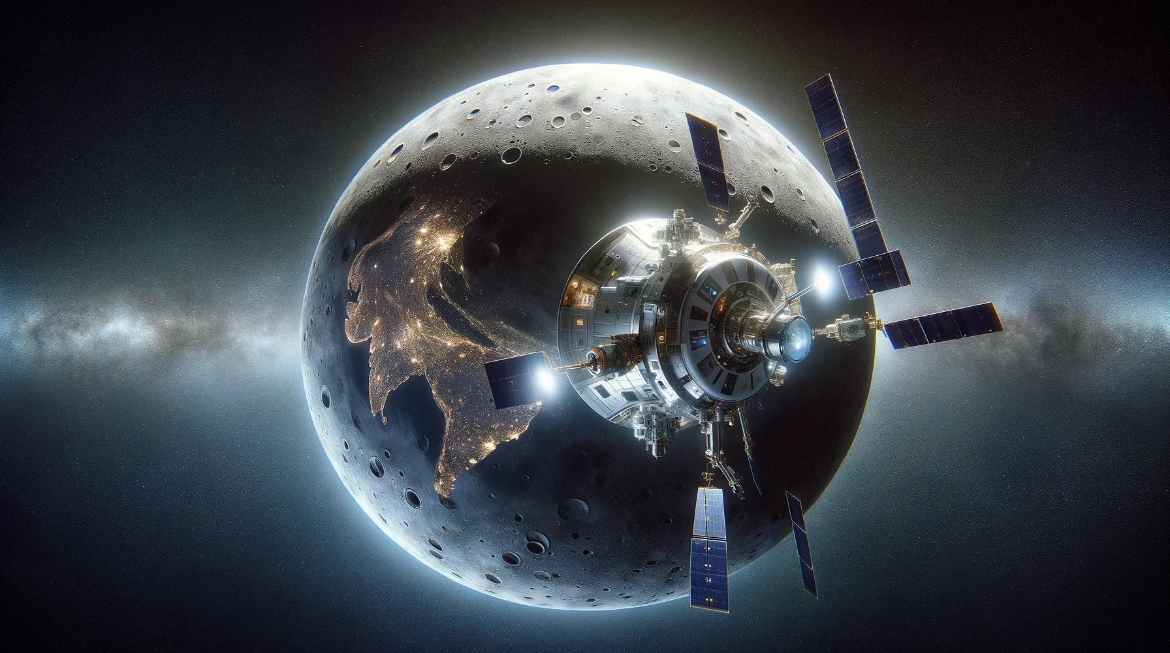
In an era defined by rapid technological progress, NASA’s Artemis II mission marks a bold step back to the Moon—this time with a fresh purpose. As the first crewed flight in the Artemis program, Artemis II is designed to carry astronauts aboard the Orion spacecraft on a journey around the Moon, reviving a path last taken during the Apollo era.
Unlike its predecessor, Artemis I, which flew uncrewed, this mission places human presence at the center of deep-space exploration once again. The astronauts will travel thousands of kilometers beyond low Earth orbit, testing life-support systems, navigation, and communication technologies in the harsh environment of space. Their journey is not merely symbolic; it lays the groundwork for future lunar landings and long-term exploration.
What sets Artemis II apart is its broader vision. It is not just about revisiting the Moon, but about establishing a sustainable human presence beyond Earth. The mission also represents international cooperation and a renewed global interest in space exploration.
As the Orion spacecraft loops around the Moon and heads back to Earth, it carries more than just a crew—it carries humanity’s ambition to explore farther, stay longer, and ultimately push toward Mars.
阿尔忒弥斯2号:人类重返月球轨道
在一个科技飞速发展的时代,NASA的阿尔忒弥斯2号任务标志着人类重返月球的重要一步——而这一次有着全新的目标。作为阿尔忒弥斯计划中的首次载人飞行任务,阿尔忒弥斯2号将搭载宇航员乘坐“猎户座”(Orion)飞船绕月飞行,重走人类在阿波罗时代曾经走过的轨迹。
与其前一次任务阿尔忒弥斯1号(无人飞行)不同,这次任务将再次把“人”带回深空探索的核心位置。宇航员将飞出近地轨道,进入更遥远的深空环境,在极端条件下测试生命保障系统、导航系统以及通信技术。这次旅程不仅具有象征意义,更为未来的登月任务和长期太空探索打下基础。
阿尔忒弥斯2号的特别之处在于它更宏大的愿景。它不仅仅是“重返月球”,而是为了在地球之外建立可持续的人类活动。与此同时,这项任务也体现了国际合作的加强,以及全球范围内对太空探索兴趣的再次升温。
当“猎户座”飞船绕月飞行并返回地球时,它承载的不只是宇航员,更承载着人类探索更远宇宙、停留更久,并最终迈向火星的雄心。
