

 1219
1219 14
14
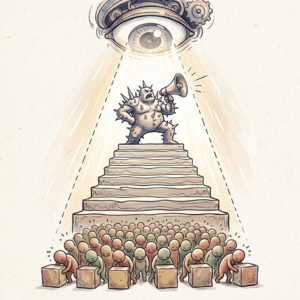
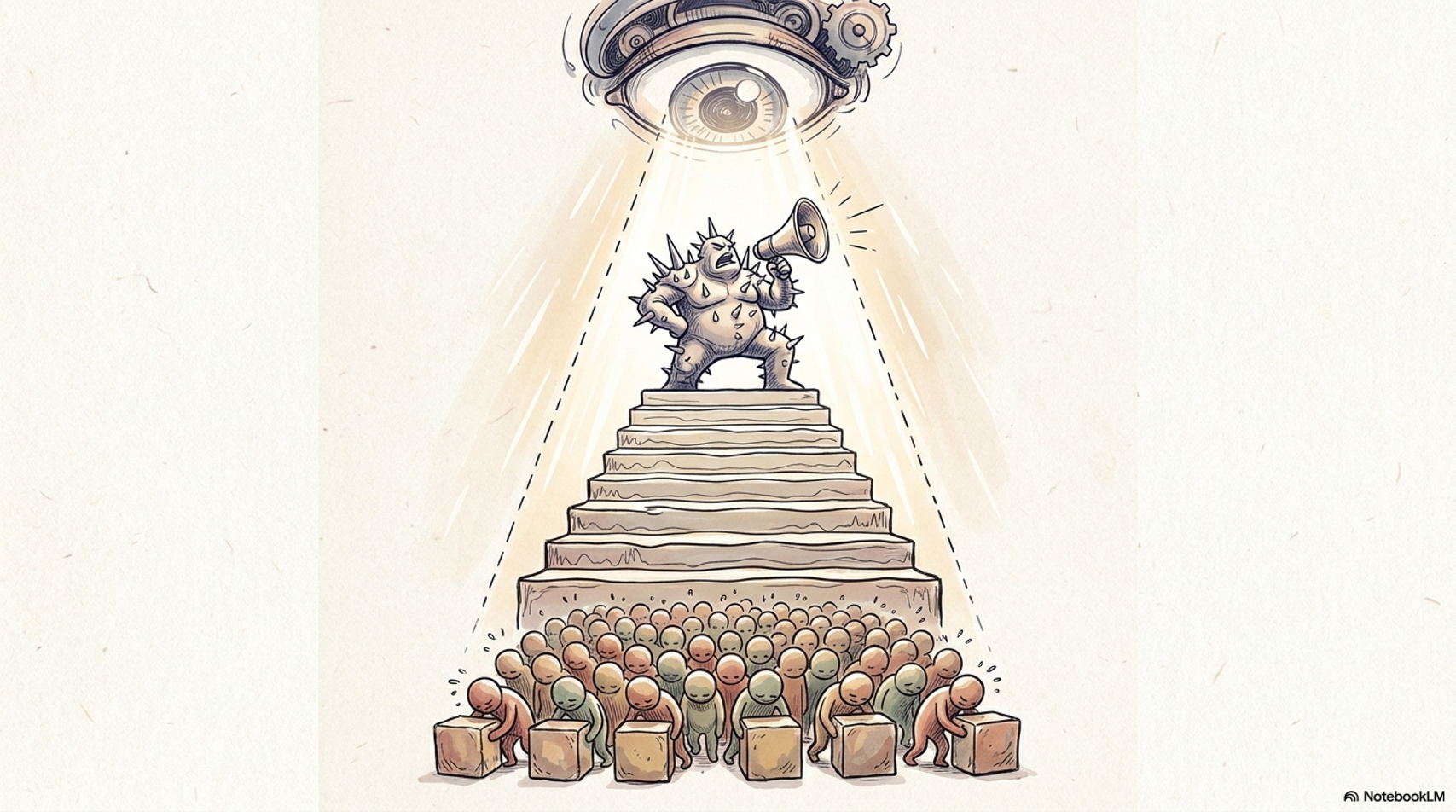
你身边有没有这种老板——情绪不太稳定、说话做事乖张、私下被同事吐槽「有问题」,组织架构里却稳稳坐在管理层,甚至还在往上走?本期不做人品审判,也不做临床诊断,而是从组织行为学和公司治理的角度,拆解大厂如何在高压、短期主义环境下,反复筛选并放大 NPD 型管理人格。
我们会聊:威胁僵化理论为何让系统偏好「看起来能掌控一切」的人;委托—代理问题如何把员工心理损耗变成隐形成本;阿宁与老 K 的四阶段推演,以及主播在欧莱雅经历的真实切片——「三天出十天活」为何反而被读成「能搞定事儿」;经济周期 U 型曲线下 NPD 在上行期与衰退期为何双占优;组织对 NPD 的浮士德契约(抗生素比喻);以及创始人/打工人各自可以做的系统性纠偏与自保。
- 开场:钉钉无招事件作背景,不展开个案;核心问句——为何「傻×老板」反复被筛上管理层;本期五段路径预告
- 边界:NPD 作工作化描述(打压、传焦虑、控制欲、攻击性),非心理学门诊
- 骂老板很爽但换公司仍存在;「不够狼性 / 好人没好报」的自我怀疑;筛选规则 vs 人品论
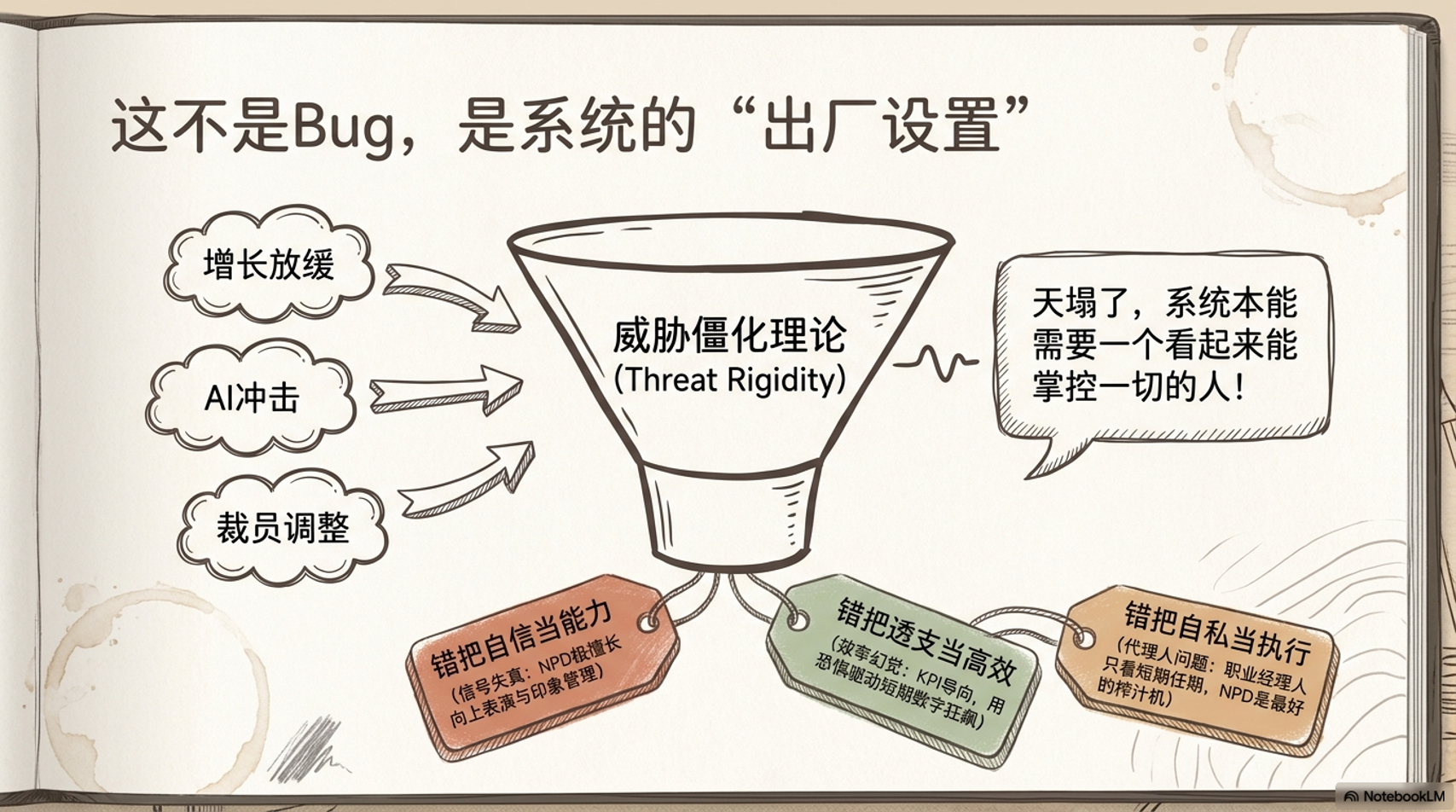
- Threat-Rigidity Theory(威胁僵化理论);威胁下集权与偏好控制型人格
- 「傻」与「被系统需要」是两条线;NPD 四类典型行为
- 系统为何偏爱 NPD(一)(二):短期确定性、印象管理与信号失真;短期数字与效率幻觉
- (三)委托—代理问题与管理层近视;Dark Triad(黑暗三特质);劣币提纯与 NPD 悖论
- 企业文化与筛选;过渡——非 NPD 如何在竞争中落败
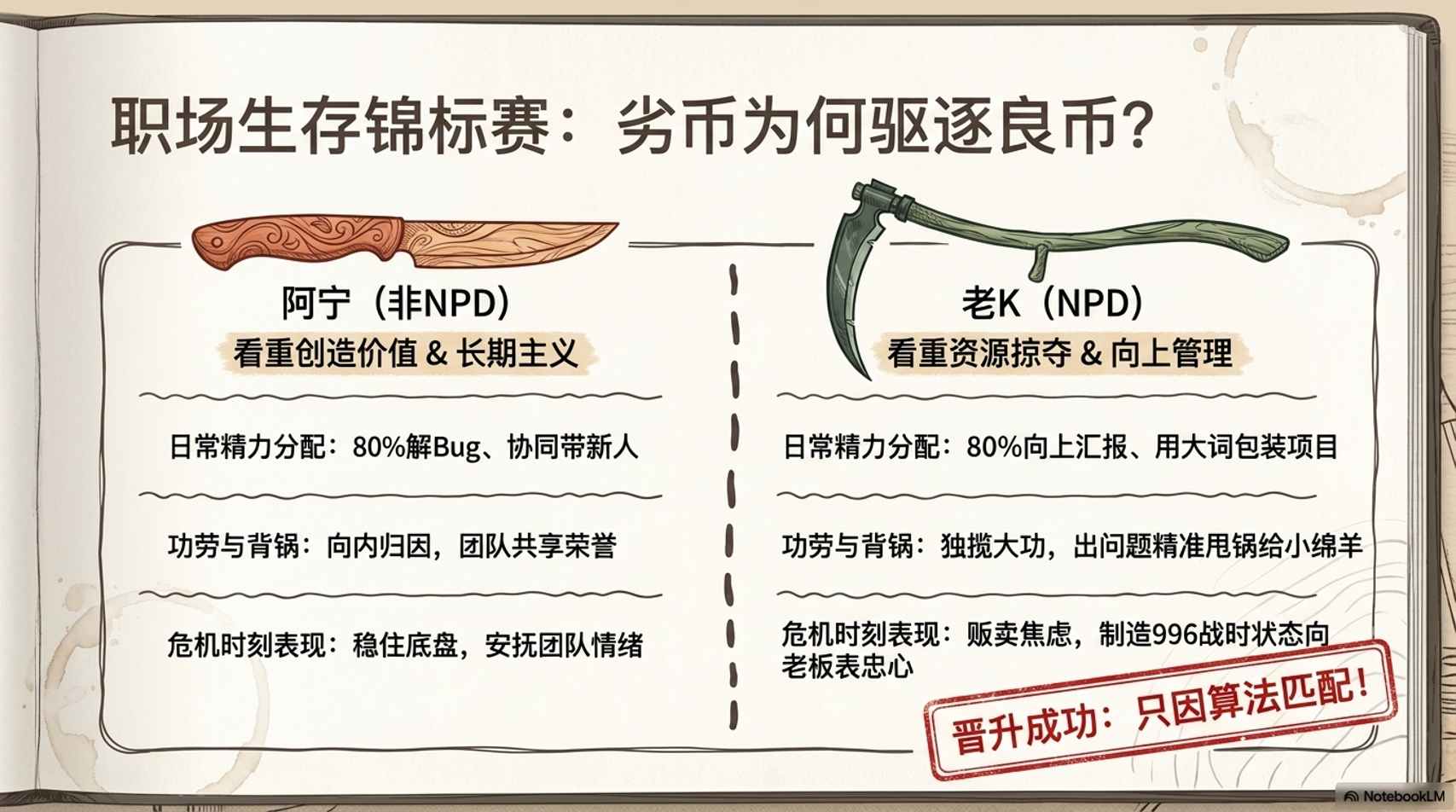
- 阿宁 vs 老 K 四阶段:日常印象管理 → 揽功推过 → 危机战时状态 → 组织异化
- 欧莱雅供应商亲历:预算紧时「三天出五天活」vs「三天出十天活」;系统如何误读「能搞定事儿」
- 两套游戏规则;Tournament Theory(锦标赛理论);Hogan Getting along / Getting ahead
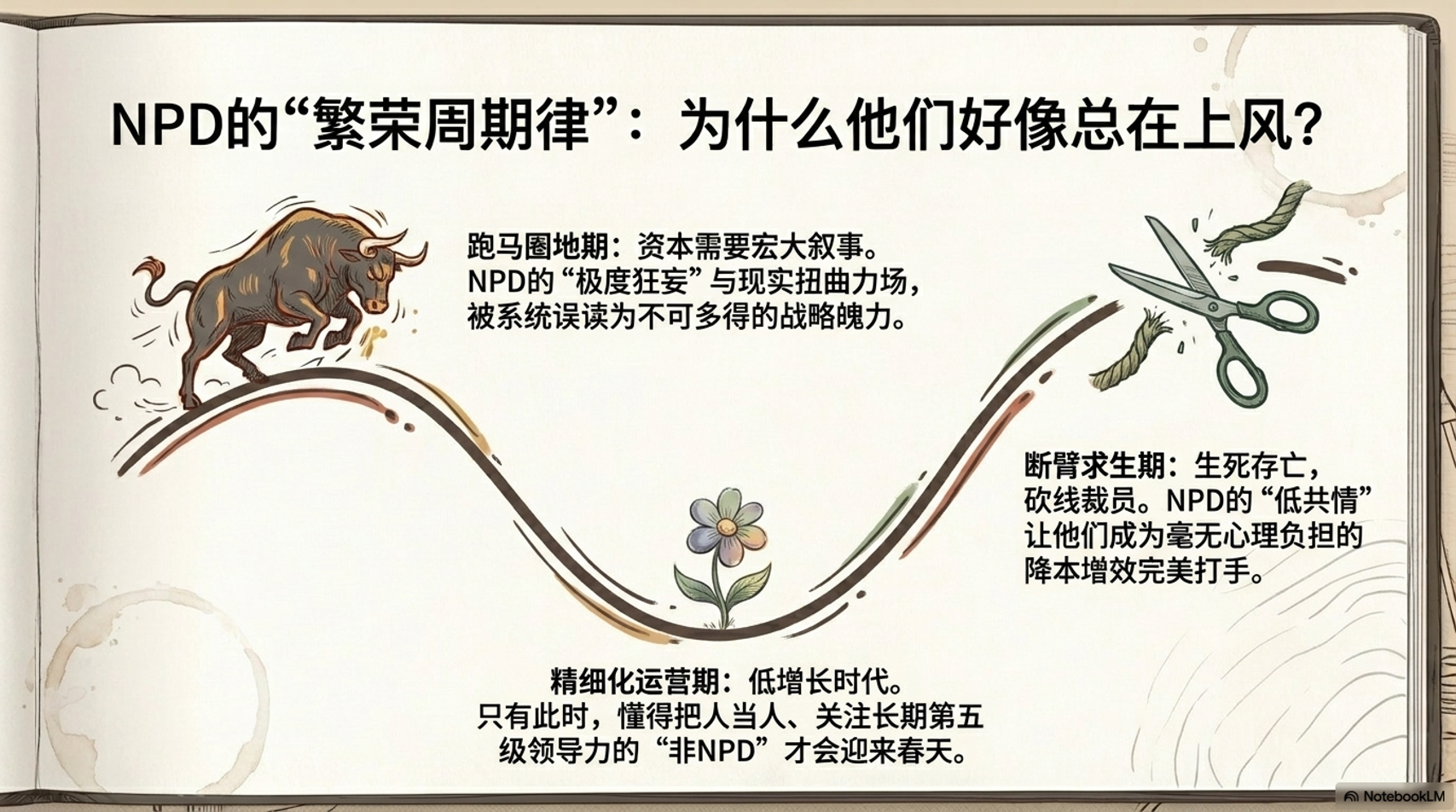
- 经济周期 U 型曲线;上行期:Strategic Dynamism、建设性自恋者
- 平稳期:Level 5 Leadership;衰退期:Romance of Leadership、威胁僵化再现
- 资本市场厌恶平稳;人造上行期 / 人造衰退期
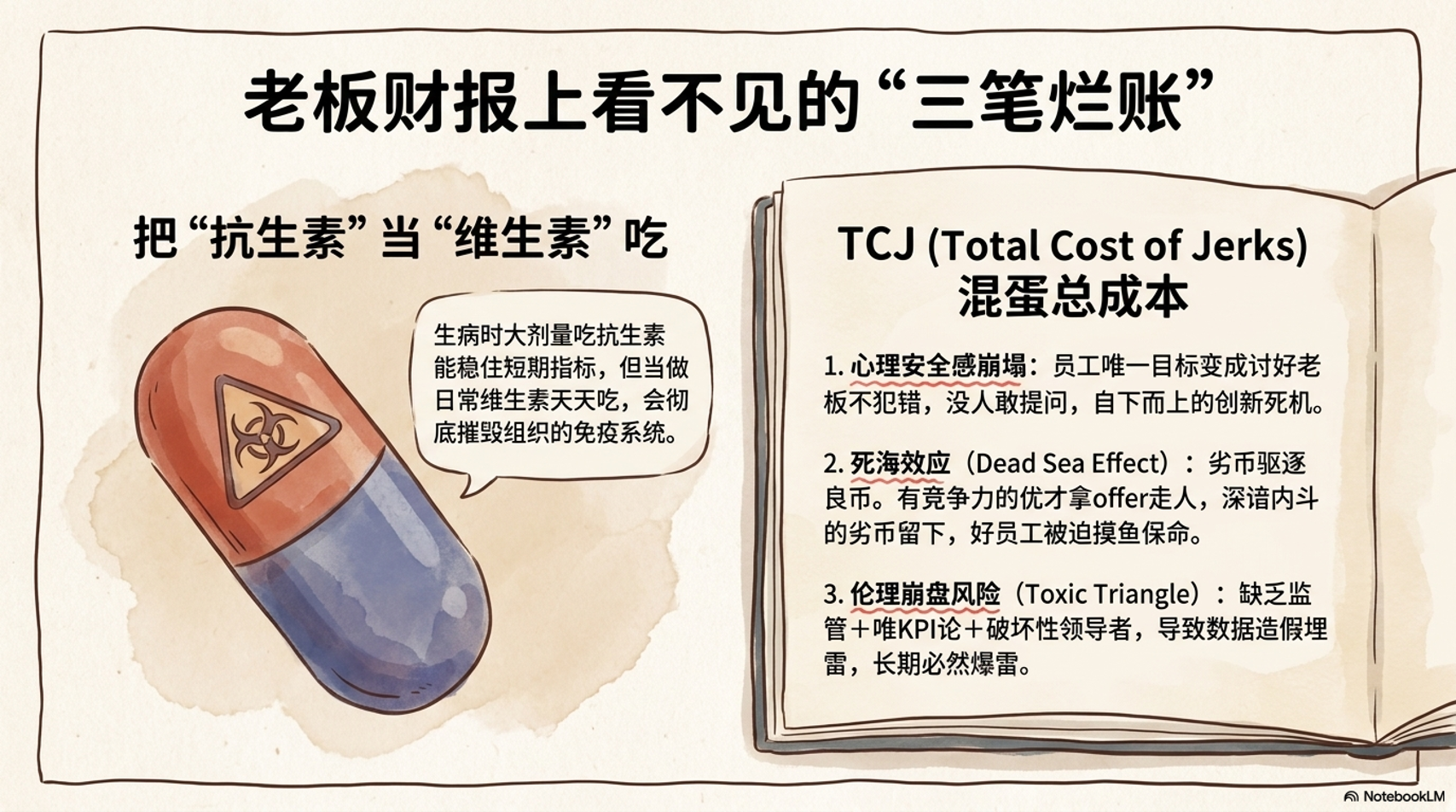
- 组织对 NPD 的账:危机破局与脏活执行 vs 心理安全感、死海效应、Toxic Triangle;抗生素比喻
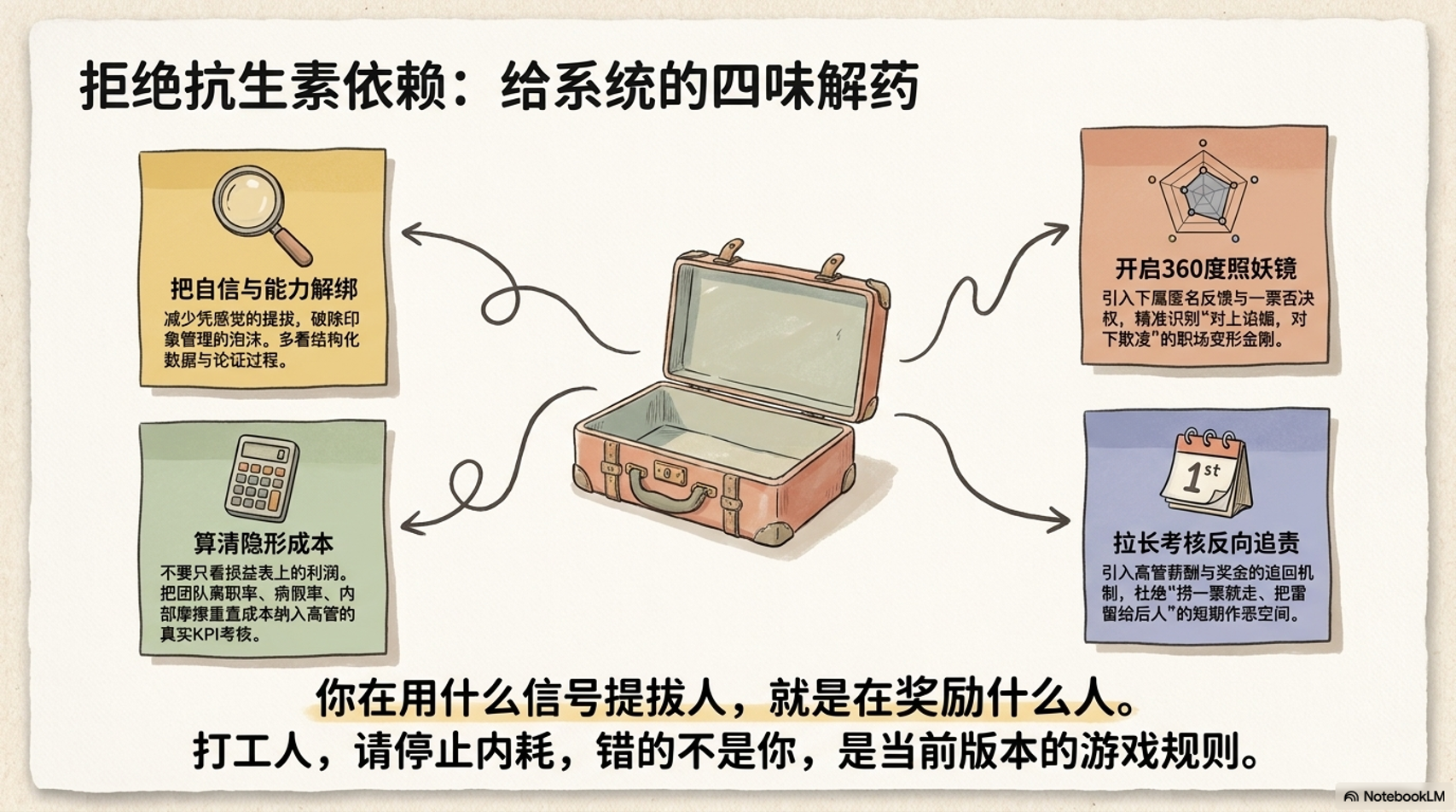
- 创始人/系统建设者四条纠偏:自信≠胜任力、360 评估、TCJ 混蛋总成本、平衡计分卡与追回机制
- 回扣开场;给管理层一句;NPD 悖论收尾;告别
📚 参考文献与学术注脚
Bushee, B. J. (1998). The influence of institutional investors on myopic R&D investment behavior. The Accounting Review, 73(3), 305–333.
Chamorro-Premuzic, T. (2019). Why do so many incompetent men become leaders? (And how to fix it). Harvard Business Review Press.
Chatterjee, A., & Hambrick, D. C. (2007). It's all about me: Narcissistic chief executive officers and their companies' strategies and performance. Academy of Management Journal, 50(5), 351–372.
Collins, J. (2001). Good to great: Why some companies make the leap… and others don't. HarperBusiness.
Edmondson, A. (1999). Psychological safety and learning behavior in work teams. Administrative Science Quarterly, 44(2), 350–383.
Felps, W., Mitchell, T. R., & Byington, E. (2006). How, when, and why bad apples spoil the barrel: Negative group members and dysfunctional groups. Research in Organizational Behavior, 27, 175–222.
Hambrick, D. C., & Mason, P. A. (1984). Upper echelons: The organization as a reflection of its top managers. Academy of Management Review, 9(2), 193–206.
Hogan, R., & Shelton, J. L. (1998). A socioanalytic perspective on job performance. Human Performance, 11(2–3), 129–144.
Jensen, M. C., & Meckling, W. H. (1976). Theory of the firm: Managerial behavior, agency costs and ownership structure. Journal of Financial Economics, 3(4), 305–360.
Kaplan, R. S., & Norton, D. P. (1996). The balanced scorecard: Translating strategy into action. Harvard Business School Press.
Lazear, E. P., & Rosen, S. (1981). Rank-order tournaments as optimum labor contracts. Journal of Political Economy, 89(5), 841–864.
Maccoby, M. (2000). Narcissistic leaders: The incredible pros, the inevitable cons. Harvard Business Review, 78(1), 68–77.
Meindl, J. R., Ehrlich, S. B., & Dukerich, J. M. (1985). The romance of leadership. Administrative Science Quarterly, 30(1), 78–102.
Padilla, A., Hogan, R., & Kaiser, R. B. (2007). The toxic triangle: Destructive leaders, susceptible followers, and conducive environments. The Leadership Quarterly, 18(3), 176–194.
Paulhus, D. L., & Williams, K. M. (2002). The dark triad of personality: Narcissism, Machiavellianism, and psychopathy. Journal of Research in Personality, 36(6), 556–563.
Staw, B. M., Sandelands, L. E., & Dutton, J. E. (1981). Threat rigidity effects in organizational behavior: A multilevel analysis. Administrative Science Quarterly, 26(4), 501–524.
Stein, J. C. (1989). Efficient capital markets, inefficient firms: A model of myopic corporate behavior. The Quarterly Journal of Economics, 104(4), 655–669.
Sutton, R. I. (2007). The no asshole rule: Building a civilized workplace and surviving one that isn't. Business Plus.
Van Vugt, M., Hogan, R., & Kaiser, R. B. (2008). Leadership, followership, and evolution: Some lessons from the past. American Psychologist, 63(3), 182–196.
主播| 1号
1号:企业培训师,高管教练,ICF ACC教练;前麦肯锡项目经理,500强总监;播客厂牌《良好生活》联合发起人
你还可以在这里找到我们:
相关信息:
如果你想探讨教练相关话题,请查看此文:如果你想找个教练聊聊
_________________________________________________________________
「101号谈职场」,从职场小白到职场中层都在听的泛职场播客,焦职场沟通,关注职场人的打工体验
两位90后主播和他们的朋友们,致力于挖掘职场打工人的个人成长,行业亲历和有趣故事,和你一起吐槽老板,八卦行业;也和你一起努力拼搏,憧憬未来。
但我们始终坚信,“职场只是生活的一部分”,我们祝愿你有一个成功的职业生涯,但我们更希望你有一个快乐的人生
10:扎根于是市场营销的快消原住民,辗转于联合利华,欧莱雅,拜尔斯道夫、汉高等企业,一个阳光乐观的市场人
1号:辗转快消、体育、互联网、咨询的MBB咨询项目经理,个人成长教练,国家二级心理咨询师,Tedx演讲教练,培训师
如果你喜欢我们的节目,欢迎到小宇宙,苹果podcast,spotify,网易云音乐,喜马拉雅,QQ音乐订阅我们的播客,也欢迎添加e0ehao的微信,加入我们的听友群。