

 13
13 0
0音乐剧《河口之处》第四部
第六曲
--
时间:1985年
地点:扎伊尔(今刚果民主共和国)一个普通村庄。
经历了1983—1984年的严重干旱之后,雨水终于重新降临。田地开始恢复生机,但对于许多家庭来说,灾难并没有真正结束。粮食歉收、贫困和长期的经济衰退早已改变了村庄的命运。许多农民因为土地无法维持生计,被迫离开农田,前往矿山谋生。
恩萨拉(Nsala)四十多岁了。旱灾期间,她已经年迈的丈夫为了养活家人,不得不离开世代耕种的土地,到矿山做一名矿工,却最终死于一次矿难,再也没有回到家乡。
如今,恩萨拉的女儿再次怀孕。前两个孩子都在饥荒岁月中夭折,这个即将出生的孩子,承载着整个家庭重新开始生活的希望。
歌曲中,恩萨拉一边准备一家人的晚饭,一边依旧乐观地唱着简单而轻快的劳动歌。
歌词里还夹杂着几分朴素的讽刺——远方的人们谈论国家的财富和繁荣,而村庄里的人们依然守着空空的锅灶,等待一条迟迟没有修好的道路。
Time: 1985
Place: A small village in eastern Zaire (now the Democratic Republic of the Congo).
The great drought of 1983–1984 has finally ended, and the rains have returned. Green shoots rise from the fields once more. Yet for many families, the disaster has not truly passed. Years of crop failure, poverty, and economic decline have driven countless farmers away from their land and into dangerous work in the mines.
Nsala is one of those who remain. A hardworking and optimistic village woman in her mid-forties, she has endured more than most. During the drought, her husband, already in his fifties, could no longer support the family through farming. With no harvest left to sustain them, he left for the mines in search of wages. He never came home, losing his life in a mining accident.
Now Nsala's daughter is expecting another child. Her first two children were lost during the years of famine and hunger. This unborn baby has become the family's promise that life may begin again.
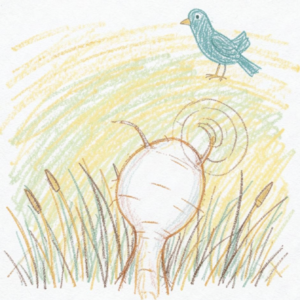
As she grinds dried cassava into flour to prepare the evening meal, Ensala sings a simple work song. She remembers her husband, but refuses to surrender to despair. The rhythm of the mortar keeps time with her hope that the rains have truly returned and that a new generation will survive.
Hidden beneath the song's cheerful melody is a quiet irony. Far away, officials speak of the nation's wealth, while in the village the cooking pot is still nearly empty and the long-promised roads have never arrived.
--
Song 6
(1985, A village in Zaire)
(Nsala grinds dried cassava into flour. The pestle keeps the beat.)
VERSE 1
The rain is back.
The dust is gone.
The little stream
Is singing on.
Grind the cassava,
White as the day.
Cook it slow,
We'll eat today.
CHORUS
Grind and sing,
Sing and grind.
Leave the hungry days behind.
Rain above,
Fire below.
Little child,
Come and grow.
(Repeat)
VERSE 2
My old man
Went for stone.
The field was empty,
He walked alone.
The mountain kept him.
He came no more.
Now I hear
His feet in the mortar's roar.
CHORUS
Grind and sing,
Sing and grind.
Leave the hungry days behind.
Rain above,
Fire below.
Little child,
Come and grow.
VERSE 3
My daughter smiles.
Her hands are warm.
A baby waits
Beyond the storm.
Two little stars
Went up too soon.
Now one comes back
With the rainy moon.
CHORUS
Grind and sing,
Sing and grind.
Leave the hungry days behind.
Rain above,
Fire below.
Little child,
Come and grow.
BRIDGE
They say we're rich.
Where is the road?
They count the copper.
We carry the load.
They praise the nation.
We stir the pot.
The rain remembers.
The rulers do not.
FINAL CHORUS
Grind and sing,
Sing and grind.
Hope is small,
But hope can shine.
Rain above,
Fire below.
Little one,
You're coming home.
Grind and sing,
Sing and grind.
Morning comes
One day at a time.
Rain above,
Fire below.
We are still here.
We are still here.
一南 | Yinan
