

 1215
 19
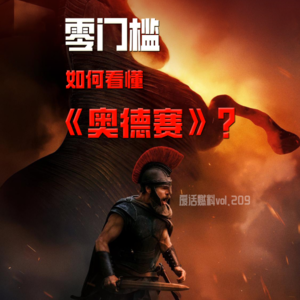
花了整整两天时间,把关于《奥德赛》想说的话都放在了这期将近一小时的节目里了。
从仲树女士与诺兰的那场出圈的对话开始,与首映礼上那位半蹲的主持人形成了姿态上的对照组。再到高价黄牛票、映前内外网热转的几张“性感美女剧照”引发直男群体的空前兴致,以及“黑海伦”的选角策略。诺兰这次为什么颠覆性地启用了露皮塔·尼永奥饰演荷马史诗当中的“尘世第一美女”?所有关于《奥德赛》场外的舆论争议,这期节目里会有集中的分析。
至于影评部分,目的是为了让大家不用背上历史知识的负担也能轻松理解《奥德赛》的结构,我把影片故事类比成《西游记》,只不过奥德修斯的征程从性质上来说不像唐僧四人经过的那前八十难,而是重返东土大唐时候,在老龟背上经历的第81难的加长衍生版。
荷兰弟饰演的忒勒玛科斯与男主马特·达蒙饰演的奥德修斯的视角转换之间,诺兰颇费心机地安插了一个叙事诡计。一个英雄意识到自己不是英雄的时候,却反而走向了英雄之路,他是如何在悖论中深化自己的创作主旨的?
如果把《信条》《奥本海默》以及《奥德赛》这三部诺兰最近的电影并联称为“英雄之罪三部曲”,诺兰痴迷于讨论“伟大的成就伴随对文明剧烈的破坏”母题的原因是什么?我想或许他也即将把自己放在了电影史的神坛位置。《奥德赛》里种种与他的前作高度趋同的手法,以及他对于巨物奇观欲壑难填的追逐,让我不由得对他的作品报以警惕。
也希望这期节目能给同样对《奥德赛》充满表达欲的朋友带来些许启发,欢迎大家加入进讨论当中。

1:09整体评价:50元以下票价可看
3:00关于《奥德赛》场外舆论的讨论
3:48独立与屈膝:论仲树专访和首映礼半蹲的主持人
15:37“性感美女剧照”引发的直男群体兴致高涨
19:08“黑海伦”露皮塔·尼永奥选角的理由
28:37将《奥德赛》类比成《西游记》
33:23诺兰这次的叙事花招
39:22《信条》《奥本海默》和《奥德赛》构成“英雄之罪三部曲”
39:30*勘误:《信条》中的逆熵技术由一位女性物理学家发明,并非主角创造,所以并不能算作主角之罪,他只是在弥补逆转时空技术所造成的灾难
41:08由黄牛票讨论诺兰打造的技术壁垒和观影焦虑
49:35与《奥本海默》高度趋同的叙事范式
54:08诺兰近年来痴迷“英雄之罪”创作母题的猜想
SHOWNOTES IN ENGLISH:
It took a full two days to pack everything I wanted to say about The Odyssey into this nearly one-hour episode.
I begin with the viral conversation between Ms. Zhong Shu and Nolan, which stood in stark contrast to the posture of the host who was crouching at the premiere. I then move on to the high-priced scalped tickets, the unprecedented buzz among straight men sparked by a few “sexy stills” of the actress circulating online and offline before the film’s release, and the casting strategy behind “Black Helen.” Why did Nolan make the groundbreaking decision to cast Lupita Nyong’o as “the most beautiful woman on earth” from Homer’s epic? This episode offers a comprehensive analysis of all the off-screen controversies surrounding The Odyssey.
As for the film review section, the goal is to help viewers easily understand the structure of The Odyssey without having to shoulder the burden of historical knowledge. I’ve drawn a parallel between the film’s narrative and Journey to the West—though Odysseus’s journey isn’t akin to the first eighty trials faced by the four travelers led by Tang Sanzang, but rather an extended spin-off of the 81st trial they endured on the old turtle’s back while returning to the Eastern Tang Dynasty
Nolan has ingeniously woven a narrative twist into the shift between the perspectives of Telemachus, played by Tom Holland, and the protagonist Odysseus, played by Matt Damon. When a hero realizes he is not a hero, yet paradoxically embarks on the path of a hero, how does Nolan use this paradox to deepen his creative theme?
If we group Nolan’s three most recent films—*Tenet*, Oppenheimer, and The Odyssey—together as the “Trilogy of the Hero’s Sin,” what drives his obsession with exploring the theme that “great achievements are accompanied by the severe destruction of civilization”? I suspect he may be on the verge of placing himself on the pedestal of film history. The numerous stylistic elements in The Odyssey that closely mirror his previous works, along with his insatiable pursuit of grand, spectacular visuals, have made me view his work with a certain degree of caution.
I also hope this episode will offer some inspiration to those of you who are equally eager to express your thoughts on The Odyssey. Everyone is welcome to join the discussion.