

 13
 0
主播:Spencer
编辑:Lotus
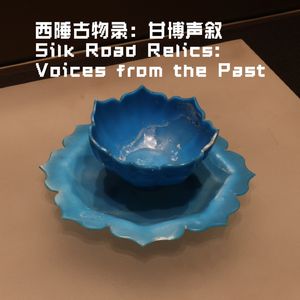
本期解析宋元丝绸之路的格局变迁,核心展品为宋代瓷器与元代玻璃莲瓣盏托。受战争、疆域变动影响,陆上丝路走向衰落,海上贸易上升为主流,但西北旧通道并未彻底废弃,持续输送域外技艺。这件元代琉璃宝盏的原料与烧制工艺源自西亚,传入后经本土工匠改良,化为中式茶酒器具。器物钴蓝温润通透,带有手工烧制气泡,杯刻七瓣莲、盏托刻八瓣莲;在元代,成套高品质琉璃器皿远比金银器物珍贵,仅供贵族使用。目前学界对其功用仍存分歧,无法判定是酒器还是茶盏,这份未解之谜赋予文物独特的学术魅力。唐代丝路交流仰仗商旅个体往来,而宋元转向工艺技术的传播融合,文明交融融入日常、代代传承。下期将跳出工艺维度,从文化符号视角解读明清多元文化交融。
This episode analyzes the transformation of the Silk Road in Song‑Yuan dynasties, focusing on Song porcelain and the Yuan‑dynasty glass lotus cup‑and‑saucer. Wars and territorial changes led to the decline of overland routes while maritime trade prevailed, yet northwest passages still introduced foreign technologies. Imported from West Asia, the glass set was localized by Chinese craftsmen into traditional tableware. With mild cobalt‑blue transparency and handmade air bubbles, it has seven lotus petals on the cup and eight on the saucer. Complete high‑quality glassware was rarer than gold‑silver objects and reserved for nobles. Scholars haven’t reached consensus on whether it was a wine vessel or teacup, and the open debate adds special academic value. Different from Tang exchanges via individual travelers, Song‑Yuan cultural integration relied on craft diffusion rooted in daily life. The next episode will explore Ming‑Qing cultural integration through cultural symbols.
时间轴 Time Axis
00:00 宋元贸易格局转变与手工业繁荣
Shifts of Trade and Thriving Handicraft Industry from Song to Yuan Dynasties
01:40 元代玻璃莲盏托:域外技艺与本土工艺的融合
Yuan Dynasty Glass Lotus Cup and Saucer: A Fusion of Foreign Techniques and Local Chinese Craftsmanship
03:16 宋元丝绸之路的核心转型
Key Transformation of the Silk Road During the Song and Yuan Dynasties
04:06 文化贴士 & 下期预告:宋元工艺洞察与明清文化符号
Today's Cultural Tip & Preview: Insights into Song‑Yuan Crafts and Ming‑Qing Cultural Symbols
BGM:
琼花映蕊 Immaculate Ardency(HOYO-MiX)
景玉朝明(铁痕电台-MSR/Gareth Coker)
