


 296
 0
倪兵主导的对话讲述了他的老朋友Marius在中国的广泛经验,重点关注他在餐饮和娱乐领域的职业生涯。 Marius原籍罗马尼亚,后到伦敦进入餐饮行业,在香港有工作背景,初到伦敦在一家泰国餐厅工作。 一个关键时刻到来了,他的雅加达房东打来电话,引发了他对管理上海一家餐饮门店的兴趣。 开启了在中国20年的职业生涯中,以建立上海标志性的场馆 — 瑞金宾馆的Face为标志,以其独特的氛围和文化融合而闻名。 倪兵和Marius一起反思了城市的变革,包括俱乐部和场馆的兴衰,并讨论了和夜生活行业的发展。 他分享对文化转变的见解,强调适应性和从经验中学习是成功的关键。 从娱乐向设计和品牌转型后,Marius创立了一家为酒店和餐饮行业提供服务的公司,包括米其林三星餐厅泰安楼,以应对金融不稳定和竞争等挑战。 尽管也有考虑搬到其他国家,但因与中国有着深厚的联系,将其视为第二个家,计划保持在中国的存在,因为他的家庭和事业根植于中国。
The dialogue recounts Mariuas' extensive experiences in China, focusing on his career in the F&B and entertainment sectors. Originating from London with a background in Hong Kong, Marius moved to London to work in a Thai restaurant. A pivotal moment came with a phone call from his landlord in Jakarta, sparking his interest in managing an F&B outlet in Shanghai. This kicked off his 20-year career in China, marked by the establishment of Shanghai's iconic venue, Face, known for its unique ambiance and cultural blend. Marius reflects on the city's transformations, including the rise and fall of clubs and venues, and discusses the evolution of the F&B and nightlife industries. He shares insights into cultural shifts, emphasizing adaptability and learning from experiences as keys to success. Transitioning from entertainment to design and branding, Marius founded a company catering to the hospitality and F&B sectors, navigating challenges such as financial instability and competition. Despite contemplating relocating to other countries, Marius holds a deep connection to China, considering it a second home. He plans to maintain his presence in China, where his family and business roots lie.
00:00 从伦敦到上海: 中国的美食与娱乐冒险之旅
Marius分享了他从在伦敦管理泰国餐厅到在上海建立标志性场所的历程,包括以泰国和印度餐厅为特色的Face,突出了中国27年来的文化和商业发展。 故事的叙述也触及了该企业背后神秘而有趣的人物,包括一个巴西美国人、一个印尼中国人和一个英国设计师,每个人都对该企业的独特个性做出了贡献。
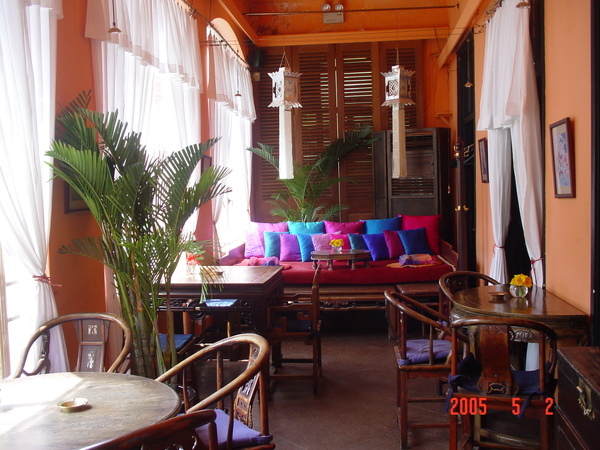
05:57 通过文化融合和创新音乐革新上海的餐饮场景
一家餐厅采用了独特的殖民建筑、多样化的亚洲美食和策划的音乐播放列表,改变了上海的用餐体验。 该机构开创了从传统酒店餐厅向充满活力、文化丰富的环境的转变,强调音乐是其中的关键组成部分。 这种方法不仅吸引了广泛的客户,而且为行业树立了新的标准,结合随机播放列表来增强客户参与度和新颖性。 这家冒险企业蓬勃发展了十年,标志着上海烹饪历史上的重要篇章。
11:29 2009年后上海夜生活和酒店场景的转型
对话反映了上海夜生活和酒店业的演变,强调了从该地区的一家酒店到Park 97和各种俱乐部等替代场所的崛起的转变。 它强调了充满活力的餐饮产品在吸引客人方面的重要性,新场所对社交场景的影响,以及长期外国居民为城市文化景观做出贡献的持久存在。 叙述也涉及到了意想不到的转变,进入了DJing,展示了在不断变化的城市环境中的个人成长。

15:14 从杂志工作到音乐场地管理: 上海夜生活之旅
从杂志工作过渡到管理音乐场地,引入了现场DJ场景和多样化的音乐流派,对上海的夜生活产生了重大影响,导致其在装修后的复兴。
19:26 在90年代末和2000年代初彻底改变上海的电子舞曲场景
对话反映了90年代末和2000年代初上海和北京充满活力的电子舞曲场景,强调了国际DJ的影响、对不同音乐类型的开放性以及促进部落音乐的努力。 它强调了关键人物在塑造当地音乐文化方面的作用,以及这一时期广泛的巡回演出和活动组织,强调了当时独特的机遇和挑战。
24:11 应对在中国建立俱乐部和文化相遇的挑战
讨论了由于不明确的规定和签证问题而在开设俱乐部时面临的困难,强调了充满活力的社交场景和独特的文化故事,包括与复杂的家庭婚姻有关的建筑历史,以及最终转变为音乐和餐饮的传奇场所。
28:54 上海变革中的各路幽灵和建筑奇迹
讨论了历史事件和建筑奇迹对上海发展的影响,涉及了鬼故事,ZF干预以及像Pier 1这样的开创性项目,突出了这座城市从法国租界向现代化大都市的演变。
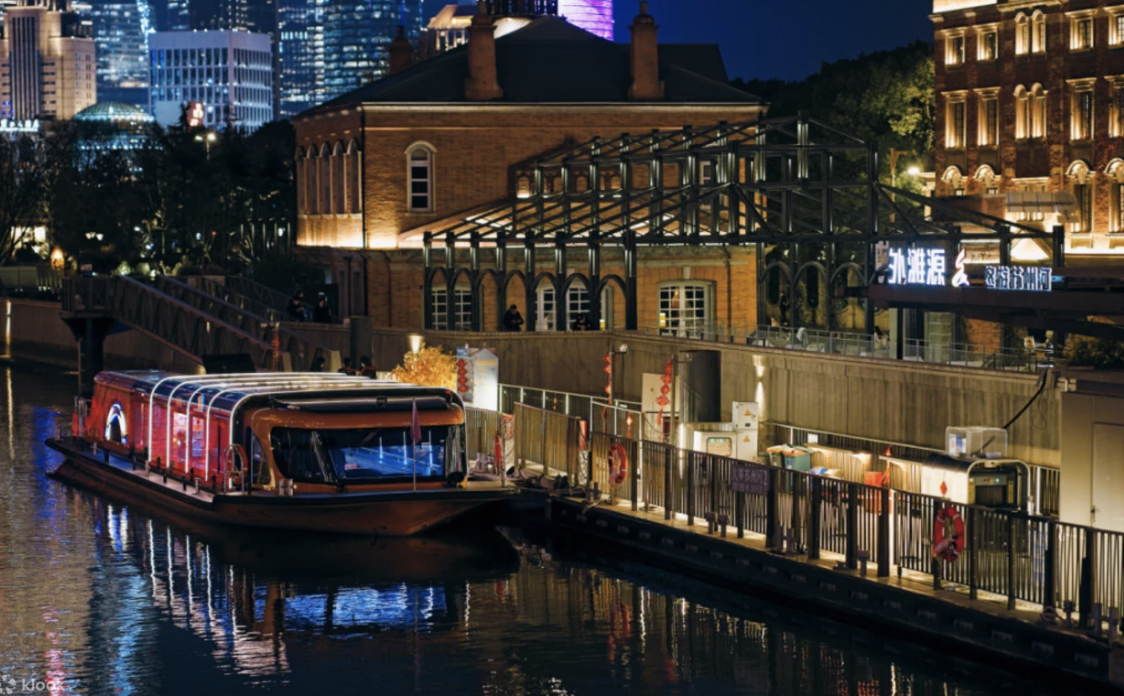
33:14 追求梦想并从俱乐部建设的经验中学习
对话强调追求梦想和从经验中学习的重要性,特别是在建立和运营俱乐部的背景下。 它强调了奉献和辛勤工作的要求,以一个魔术师般的人物为例,他手工制作了电子产品和DJ摊位。 尽管存在时间和地点等挑战,但发言者表示钦佩那些追求梦想的人,并指出从过去的努力中吸取了宝贵的经验教训,即使他们没有成功。 叙述反映了生活的短暂本质以及尝试和享受过程的价值,无论结果如何。
36:05 从泡吧到餐厅: 上海和北京的创业之旅
在完成了一号码头的工作后,他创办了一家活动设计机构,后来转变为与朋友一起开了一家泰国餐厅,并参与了世博会和北京奥运会,在澳大利亚馆为世博会工作人员组织了派对。
39:27 从北京奥运酒店业的商业失误中学习
讨论北京奥运会期间面临的挑战,包括金融限制、未充分利用的资源和错失的机会。 对话强调了使业务模式适应当地偏好的重要性,以及从失败中学习以改进未来战略的价值。
46:36 在中国餐饮行业中的信任和欺诈事件
对话揭示了在中国食品和饮料行业经营面临的挑战,强调了盗窃、假冒商品和健康风险等问题。 与会者强调了日常监督、值得信赖的员工和先进技术打击欺诈的必要性。 他们在损害客户健康方面划出了界限,在西方信任模式经常失败的背景下,他们倡导道德商业实践。
49:24 从设计机构到酒店品牌: 支持餐饮行业的旅程
在中国餐饮娱乐行业拥有超过27年经验的经验丰富的Marius,分享了他从设计工作到创立专注于餐饮行业的品牌设计机构的转变。 从2007年开始,该机构已经发展为迎合酒店品牌、餐厅和场所的需求,强调了解客户需求并适应当前趋势。 通过与合作伙伴和经验丰富的设计师合作,该机构在支持小型到大型酒店业务方面建立了声誉。
51:56 革命性的餐饮: 在不断变化的消费者环境中体验用餐
对话探讨了消费者对体验的偏好不断变化,对餐饮行业的影响。 它讨论了餐厅和俱乐部需要如何通过提供独特的体验来适应发展。 对话强调了了解客户需求和市场趋势的重要性,表明成功的餐饮企业将是那些专注于创造难忘体验而不仅仅是提供食品和饮料的企业。
55:12 驾驭双重文化与商业挑战: 一位欧洲企业家对中国的看法
Marius反思他在中国和罗马尼亚之间的双重生活,强调文化融合对他的家庭的重要性。 尽管面临经济挑战和全球市场不确定性,他仍然对中国的制造业实力和技术进步持乐观态度,并利用这些优势开展商业活动。 他强调了中国和欧洲在效率和政治方面的差异,特别是在基础设施维护方面,将欧洲项目的延误归因于官僚程序。
01:01:55 中国在城市发展和基础设施方面的效率
讨论了中国快速有效的城市发展,以上海的后Covid复苏和基础设施项目为例,与其他地区的缓慢进展形成对比。 强调了上海的清洁、安全和维护良好的环境,高效的地铁扩建以及提前完成项目的能力。 将此与德国布兰登堡机场延迟14年启用进行比较,强调了此类延迟的经济和社会成本。 对话强调了及时执行项目的重要性以及通过高效的基础设施发展实现经济增长的潜力。
00:00 From London to Shanghai: A Journey of Culinary and Entertainment Ventures in China
A professional shares his journey from managing a Thai restaurant in London to setting up iconic venues in Shanghai, including Face, a venue featuring Thai and Indian restaurants, highlighting the cultural and business evolution in China over 27 years. The narrative also touches on the mysterious and intriguing personalities behind the venture, including a Brazilian American, an Indonesian Chinese, and an English designer, each contributing to the unique character of the business.
05:57 Revolutionizing Shanghai's Food and Beverage Scene with Cultural Fusion and Innovative Music
A restaurant introduced a unique blend of colonial architecture, diverse Asian cuisines, and curated music playlists, transforming Shanghai's dining experience. The establishment pioneered a shift from traditional hotel restaurants to a dynamic, culturally rich environment, emphasizing music as a key component. This approach not only attracted a broad clientele but also set new standards for the industry, incorporating randomized playlists to enhance customer engagement and novelty. The venture thrived for a decade, marking a significant chapter in Shanghai's culinary history.
11:29 Transformation of Shanghai's Nightlife and Hotel Scene Post-2009
The dialogue reflects on the evolution of Shanghai's nightlife and hotel industry, highlighting the shift from the region being one hotel to the rise of alternative venues like Park 97 and various clubs. It underscores the importance of vibrant food and beverage offerings in attracting guests, the impact of new establishments on the social scene, and the enduring presence of long-term foreign residents contributing to the city's cultural landscape. The narrative also touches on the unexpected transition into DJing, illustrating personal growth amidst the changing urban environment.
15:14 From Magazine Work to Music Venue Management: A Journey in Shanghai's Nightlife
Transitioned from magazine work to managing a music venue, introducing live DJ sets and diverse music genres, significantly impacting Shanghai's nightlife scene, leading to its resurgence post-renovation.
19:26 Revolutionizing Shanghai's Electronic Dance Music Scene in the Late 90s and Early 2000s
The dialogue reflects on the vibrant electronic dance music scene in Shanghai and Beijing during the late 90s and early 2000s, highlighting the influence of international DJs, the openness to diverse music genres, and the efforts to promote tribal house music. It emphasizes the role of key figures in shaping the local music culture and the extensive touring and event organization that marked this period, underscoring the unique opportunities and challenges of the time.
24:11 Navigating Challenges in Establishing a Club and Cultural Encounters in China
Discusses the difficulties faced in opening a club due to unclear regulations and visa issues, highlighting the vibrant social scene and unique cultural stories, including a building's history tied to a complex family marriage and its eventual transformation into a legendary venue for music and dining.
28:54 Revolutionary Ghosts and Architectural Wonders in Shanghai's Transformation
Discusses the impact of historical events and architectural marvels on Shanghai's development, touching on haunted tales, government interventions, and pioneering projects like Pier 1, highlighting the city's evolution from a French concession to a modern metropolis.
33:14 Pursuing Dreams and Learning from Experiences in Club Building
The dialogue highlights the pursuit of dreams and the importance of learning from experiences, particularly in the context of building and operating clubs. It emphasizes the dedication and hard work required, exemplified by a magician-like figure who crafted electronics and DJ booths by hand. Despite challenges, including timing and location, the speakers express admiration for those who follow their dreams, noting the valuable lessons learned from past endeavors, even when they did not succeed. The narrative reflects on the transient nature of life and the value of trying and enjoying the process, regardless of the outcome.
36:05 From Clubbing to Restaurants: A Journey of Entrepreneurship in Shanghai and Beijing
After wrapping up Mint Pier 1, the individual started a design agency for events, later transitioned into opening a Thai restaurant with a friend, and became involved in the Expo and Beijing Olympics, organizing parties in the Australian pavilion for Expo staff.
39:27 Learning from Business Mistakes in Beijing's Olympic Hospitality Industry
A discussion on the challenges faced during the Olympics in Beijing, including financial restrictions, underutilized resources, and missed opportunities. The dialogue highlights the importance of adapting business models to local preferences and the value of learning from failures to improve future strategies.
46:36 Navigating Trust and Fraud in China's Food and Beverage Industry
The dialogue reveals the challenges of operating in China's food and beverage sector, highlighting issues of theft, counterfeit goods, and health risks. Participants stress the necessity of daily oversight, trustworthy staff, and advanced technology to combat fraud. Drawing the line at compromising customer health, they advocate for ethical business practices amidst a landscape where Western trust models often fail.
49:24 From Design Agency to Hospitality Branding: A Journey of Supporting FMB Industry
A seasoned professional with over 27 years of experience in China's hospitality sector shares his transition from design work to founding a branding agency focused on the FMB industry. Starting in 2007, the agency has evolved to cater to hotel brands, restaurants, and venues, emphasizing understanding client needs and adapting to current trends. Collaborating with partners and experienced designers, the agency has built a reputation for supporting small to large hospitality businesses.
51:56 Revolutionizing F&B: Experiences over Meals in a Changing Consumer Landscape
The dialogue explores the evolving consumer preference for experiences over mere dining, affecting the F&B industry. It discusses how restaurants and clubs need to adapt by offering unique experiences to thrive. The conversation highlights the importance of understanding customer needs and market trends, suggesting that successful F&B businesses will be those that focus on creating memorable experiences rather than just serving food and drinks.
55:12 Navigating Dual Cultures and Business Challenges: A European Entrepreneur's Perspective on China
A European entrepreneur reflects on his dual life between China and Romania, emphasizing the importance of cultural integration for his family. Despite economic challenges and global market uncertainties, he remains optimistic about China's manufacturing prowess and technological advancements, leveraging these strengths for his business ventures. He highlights the efficiency and political differences between China and Europe, particularly in infrastructure maintenance, attributing delays in European projects to bureaucratic processes.
01:01:55 China's Efficiency in Urban Development and Infrastructure
Discusses China's rapid and effective urban development, exemplified by Shanghai's post-Covid recovery and infrastructure projects, contrasting with slower progress in other regions. Highlights Shanghai's clean, safe, and well-maintained environment, efficient subway expansion, and ability to complete projects ahead of schedule. Compares this with the 14-year delay in opening Brandenburg Airport in Germany, emphasizing the economic and social costs of such delays. The dialogue underscores the importance of timely project execution and the potential for economic growth through efficient infrastructure development.
