

 2930
2930 46
46本期节目是我们与「火象三傻妙妙屋」的串台节目!很高兴和Mikasa老师一起聊聊宝可梦系列在2026年的创新作品《Pokémon Pokopia》。
很多人把这个游戏叫做“创宝森”,是因为它结合了《创世小玩家》、《宝可梦》以及《动物森友会》的玩法。创宝森一改以往宝可梦系列使用宝可梦作战的玩法,变成了帮助宝可梦盖房子和提升居住质量。
故事从有一天人类离开地球讲起……
地球会变成什么样?留下来的宝可梦该如何生存?
在这个游戏里,玩家扮演一只变成人类模样的百变怪,需要重新修复荒废的土地,创造适合不同宝可梦生活的栖息地。
于是这一期,我们沿着游戏里的每一个地图,聊聊:
🌱 为什么创造一个好的环境,真的可以吸引生物回来?
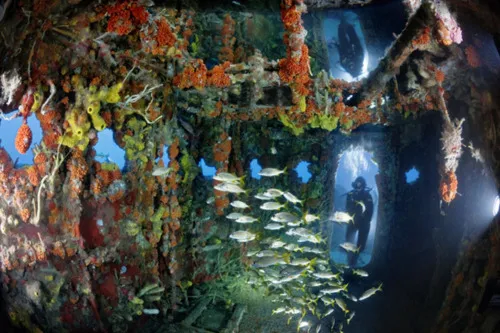
🌊 为什么往海里丢废弃地铁车厢,反而可能帮助恢复生态?
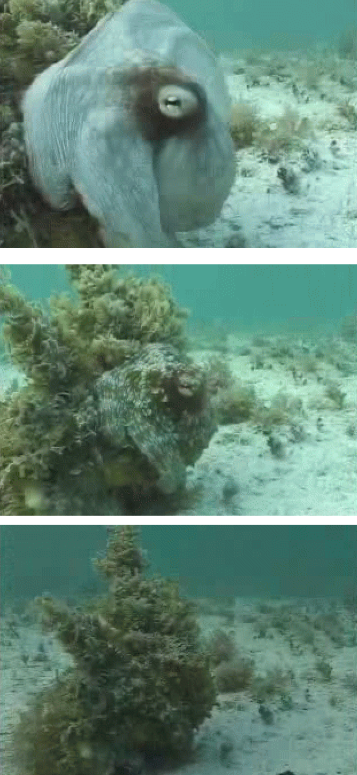
🐙 百变怪的变形能力,在现实世界有没有对应的“伪装大师”?
🏜️ 干巴巴荒野为什么需要恢复湿度?呆呆兽为什么可以求雨?
🌋 火山灰覆盖的土地,为什么也能成为新的生命家园?
🦇 废弃矿洞为什么会成为蝙蝠等动物的新栖息地?
以及:
如果人类真的离开地球200年,再次回来时,我们看到的会是一个怎样的世界?
想加听友群,请加小导游:bio_kiwi
欢迎关注我们的新播客《生物故事》,听听关于生物科学发现和发展的故事
最新一期的内容:基因治疗的悲剧,为什么总在重演?|基因治疗AB面
【本期节目您将听到】
03:26|宝可梦真的在招博士?《宝可梦生态图鉴》背后的生物学家
09:51|游戏核心玩法:“收集栖息地”与现实的纽约地铁人工鱼礁
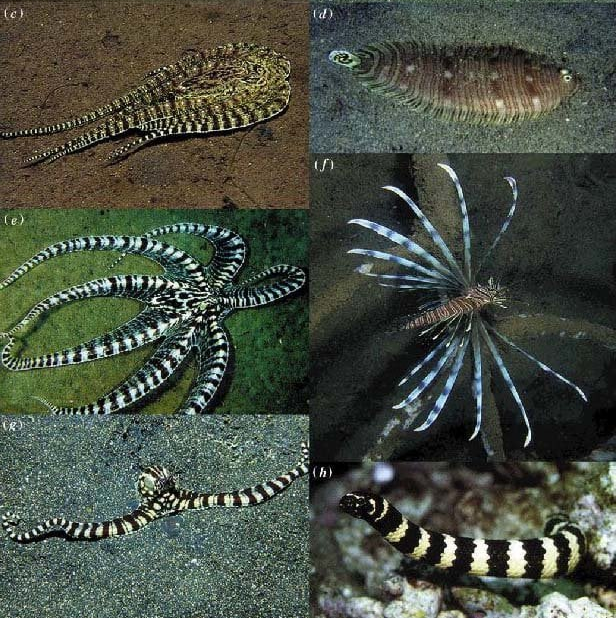
16:58|百变怪有现实原型吗?章鱼与拟态章鱼的模仿术
19:30|第一站「干巴巴荒野」:百年大旱后的浅红市
23:31|呆呆兽求雨:动物怎样在沙地和泥地行走?
29:11|杰尼龟、小火龙、妙蛙种子在现实中分别像什么?
32:16|进入「突隆隆山地」:火山灰与废弃矿洞生态
40:21|谁会住在温泉里?日本猕猴、温泉蛙与小火烈鸟
47:38|耐高温的生物们:庞贝蠕虫、古细菌和水熊虫
59:04|进入「暗沉沉海边」:百变怪开始“抗洪抢险”
01:06:06|波加曼清理淤泥:现实里真的有会制造“清洁泡泡”的青动物吗?
01:10:43|破破袋的回收技能、磁性细菌与现实中的塑料降解生物
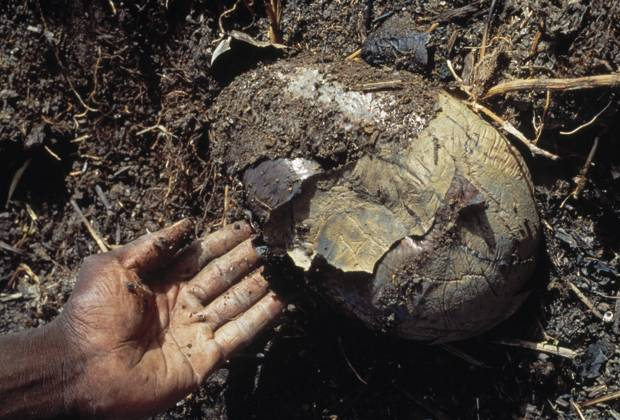
01:19:22|长眠的卡比兽:北极地松鼠的冬眠、肺鱼的夏眠
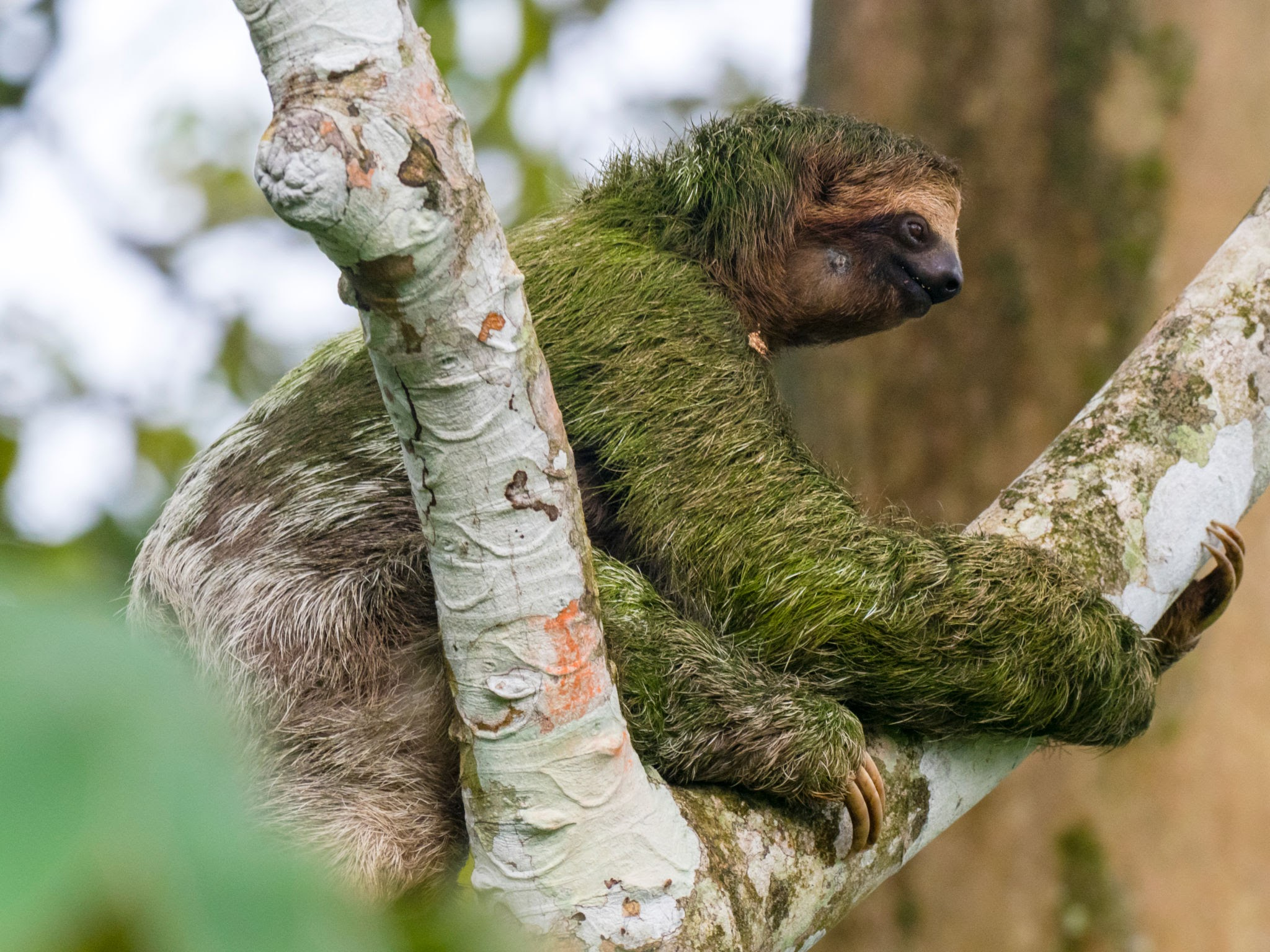
01:28:44|卡比兽身上的苔藓,让人想到树懒
01:31:28|让「浅浅丘」重新发光:会发光的生物没想到这么多
01:38:16|进入「闪亮亮空岛」:如果人类真的消失,生态会怎样?
01:45:21|人类不一定是生态反派:现实世界的“PC盒”种质资源库
【本期节目提到的图片】
废弃车厢构建的人造礁石(Redbird Reef):
章鱼的变形能力(相关视频可以看:www.bilibili.com)
拟态章鱼的三种形态(左)和它模仿的原型(右),从上到下依次是比目鱼、狮子鱼和海蛇:
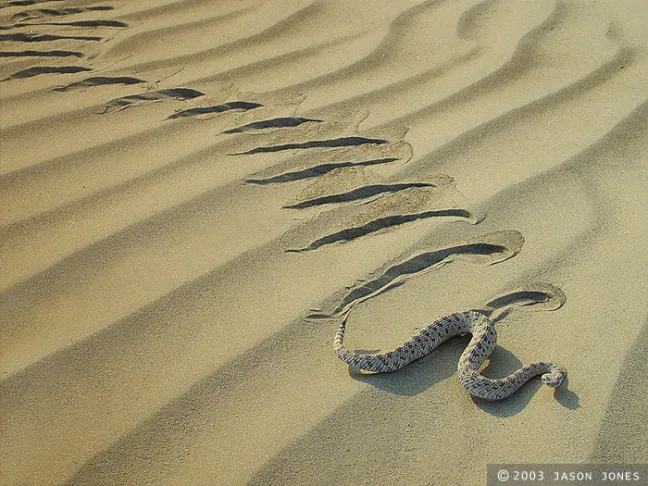
在沙地上滚动前进的响尾蛇留下的痕迹:
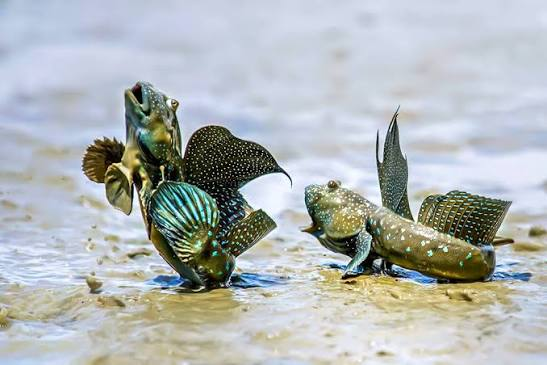
生活在红树林滩涂地上的弹涂鱼:
《舌尖上的中国》里面的钓弹涂鱼:
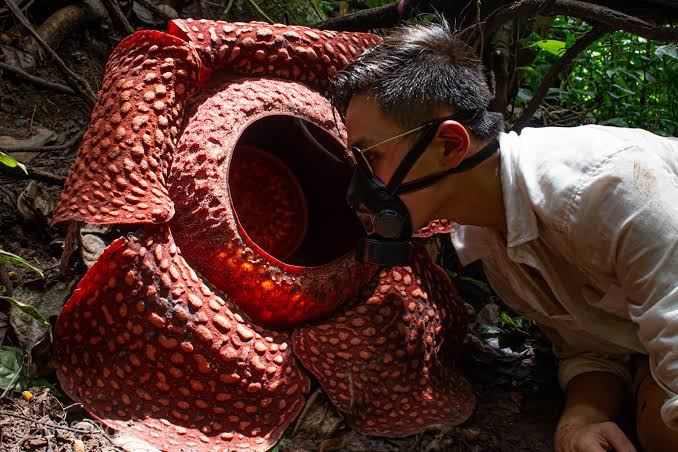
超级巨大还发臭的大王花:
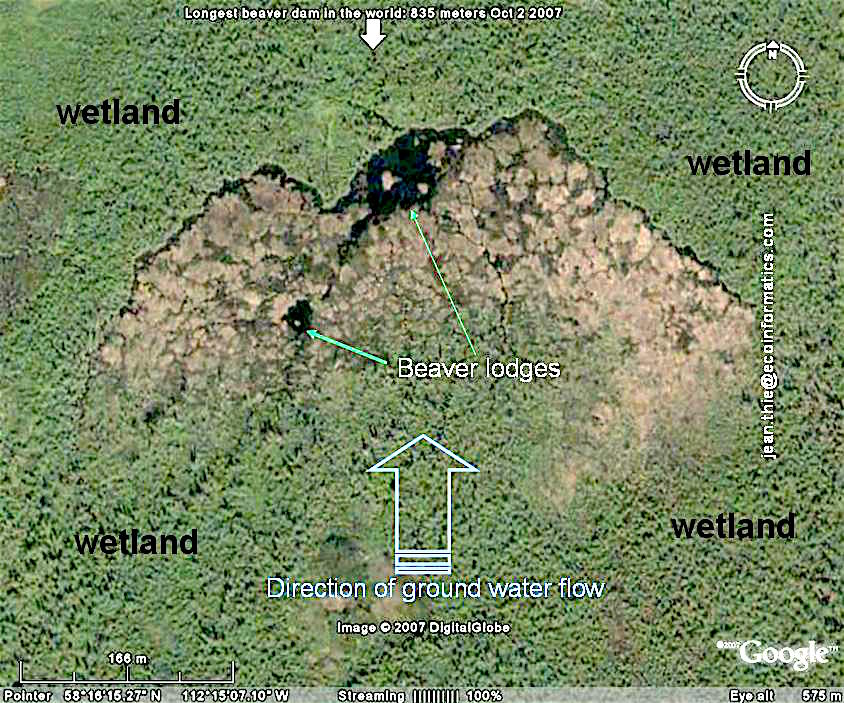
卫星地图上河狸修的水坝:
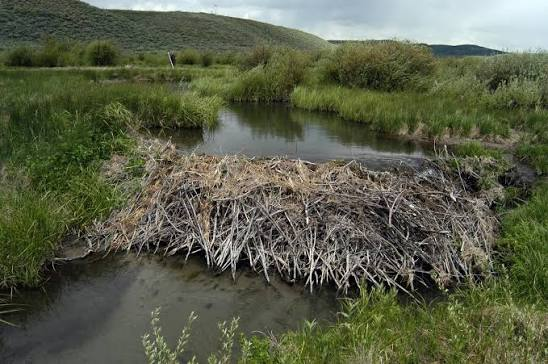
实际看到的河狸修的水坝:
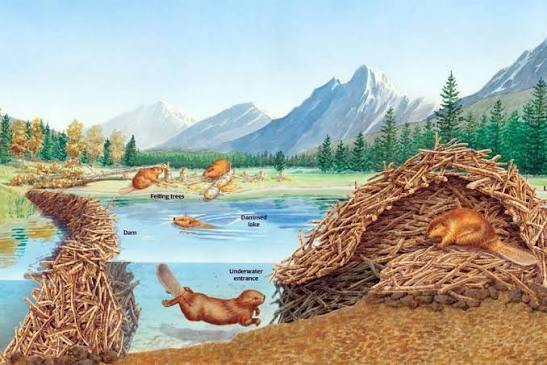
河狸的生存模式图:
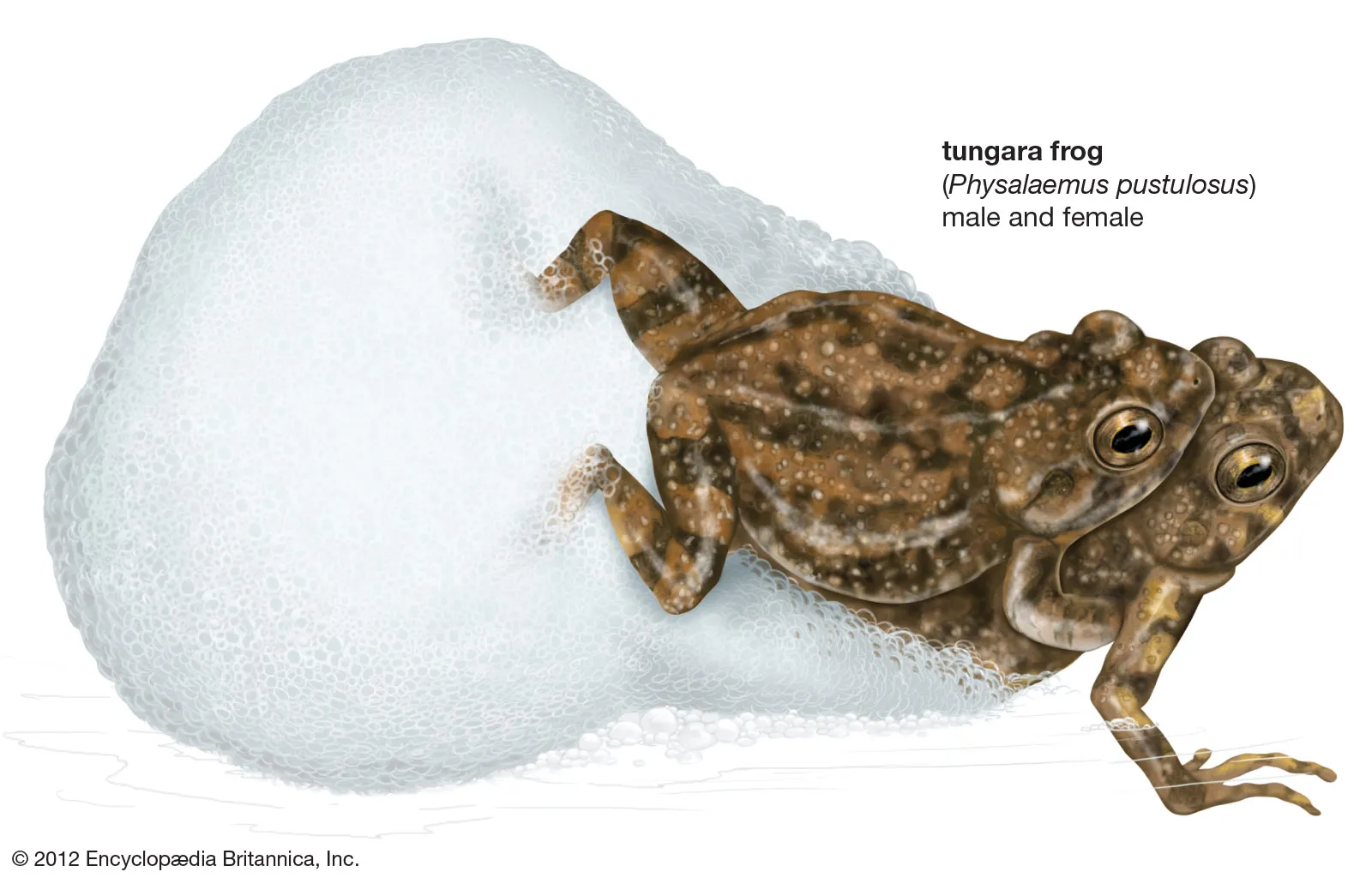
可以踩出泡泡的泡巢树蛙:
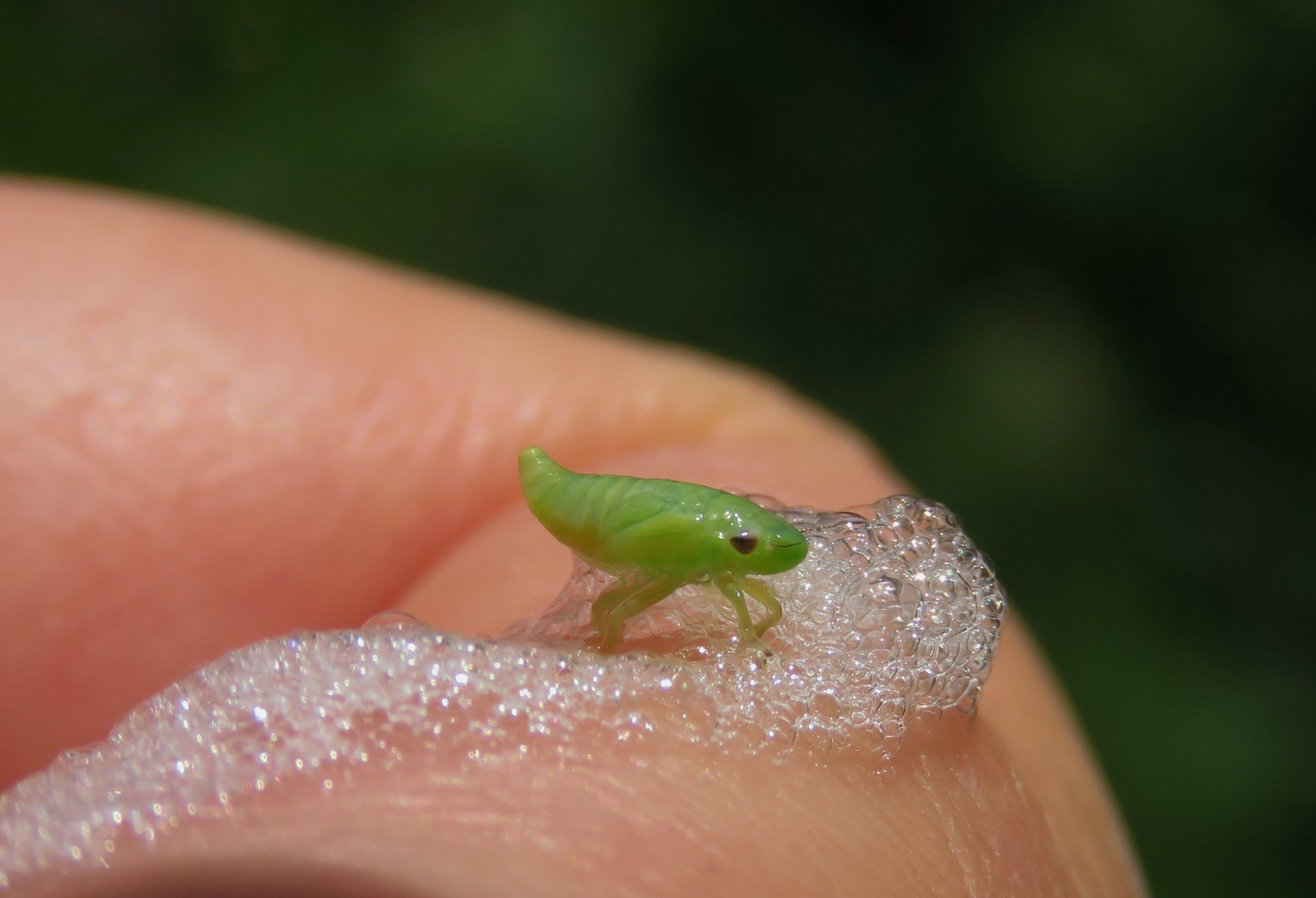
可以喷出泡泡的沫蝉:
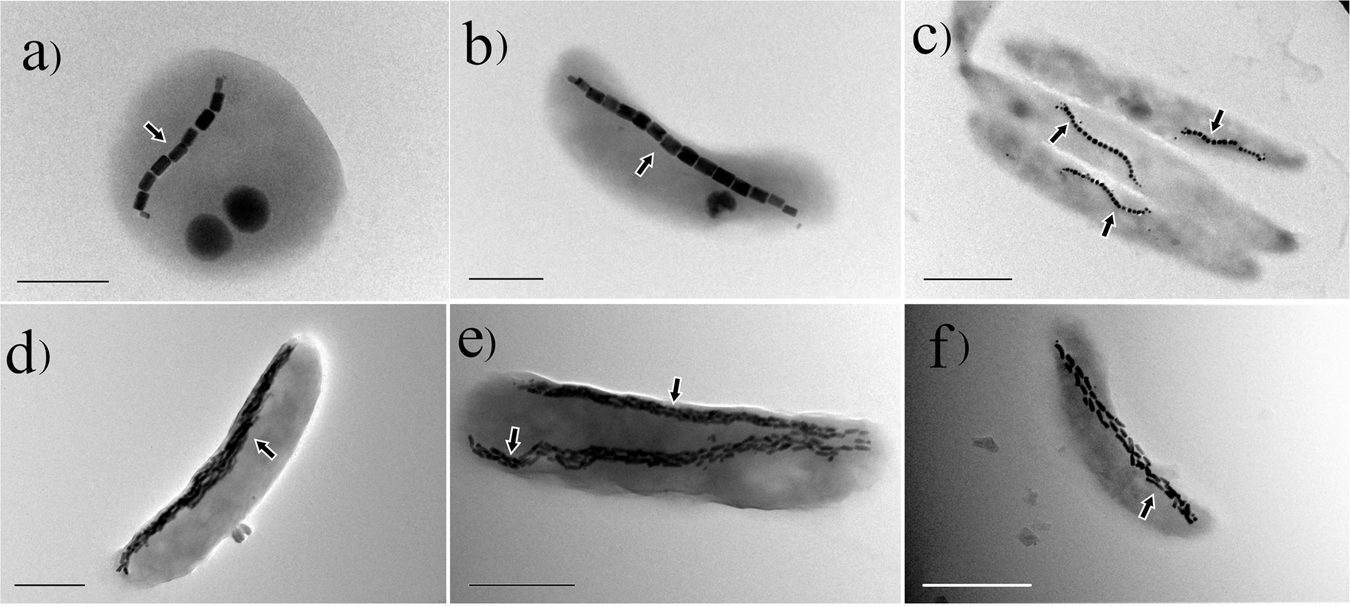
疑似破破袋中存在着微生物之一,趋磁细菌:
非洲肺鱼在旱季自己做的像个石头蛋一样的泥茧:
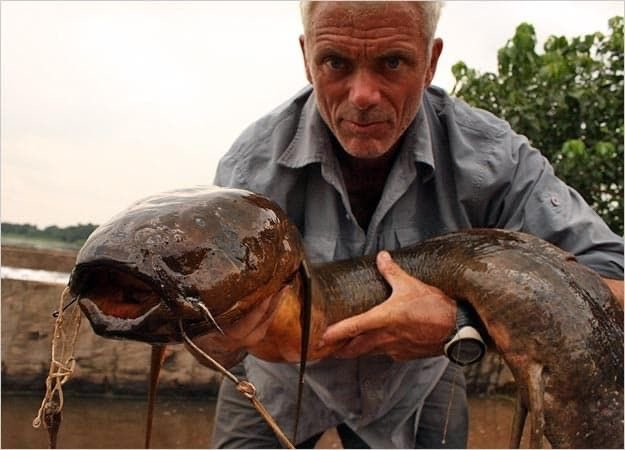
几十岁的非洲肺鱼的体型可以超过1米:
和卡比兽一样,身上带满了绿色植物的树懒:
【本期节目部分参考资料】
[1] GUIDEN P W, BARBER N A, BLACKBURN R, et al. Effects of management outweigh effects of plant diversity on restored animal communities in tallgrass prairies[J]. Proceedings of the National Academy of Sciences, 2021, 118(5): e2015421118. DOI: 10.1073/pnas.2015421118.
[2] NORMAN M D, FINN J, TREGENZA T. Dynamic mimicry in an Indo-Malayan octopus[J]. Proceedings of the Royal Society B: Biological Sciences, 2001, 268(1478): 1755-1758. DOI: 10.1098/rspb.2001.1708.
[3] LI C, ZHANG T, GOLDMAN D I. A terradynamics of legged locomotion on granular media[J]. Science, 2013, 339(6126): 1408-1412. DOI: 10.1126/science.1229163.
[4] MARVI H, GONG C, GRAVISH N, et al. Sidewinding with minimal slip: snake and robot ascent of sandy slopes[J]. Science, 2014, 346(6206): 224-229. DOI: 10.1126/science.1255718.
[5] PACE C M, GIBB A C. Mudskipper pectoral fin kinematics in aquatic and terrestrial environments[J]. Journal of Experimental Biology, 2009, 212(14): 2279-2286. DOI: 10.1242/jeb.029041.
[6] TONIETTI L, ESPOSITO M, CASCONE M, et al. Unveiling the bioleaching versatility of Acidithiobacillus ferrooxidans[J]. Microorganisms, 2024, 12(12): 2407. DOI: 10.3390/microorganisms12122407.
[7] HAMME R C, WEBLEY P W, CRAWFORD W R, et al. Volcanic ash fuels anomalous plankton bloom in subarctic northeast Pacific[J]. Geophysical Research Letters, 2010, 37(19): L19604. DOI: 10.1029/2010GL044629.
[8] ZHANG P, WATANABE K, EISHI T. Habitual hot-spring bathing by a group of Japanese macaques (Macaca fuscata) in their natural habitat[J]. American Journal of Primatology, 2007, 69(12): 1425-1430. DOI: 10.1002/ajp.20454.
[9] TAKESHITA R S C, BERCOVITCH F B, KINOSHITA K, et al. Beneficial effect of hot spring bathing on stress levels in Japanese macaques[J]. Primates, 2018, 59(3): 215-225. DOI: 10.1007/s10329-018-0655-x.
[10] KOMAKI S, LAU Q, IGAWA T. Living in a Japanese onsen: field observations and physiological measurements of hot spring amphibian tadpoles, Buergeria japonica[J]. Amphibia-Reptilia, 2016, 37(3): 311-314. DOI: 10.1163/15685381-00003052.
[11] KRIENITZ L, BALLOT A, KOTUT K, et al. Contribution of hot spring cyanobacteria to the mysterious deaths of Lesser Flamingos at Lake Bogoria, Kenya[J]. FEMS Microbiology Ecology, 2003, 43(2): 141-148. DOI: 10.1111/j.1574-6941.2003.tb01053.x.
[12] BARKMAN T J, LIM S H, SALLEH K M, et al. Mitochondrial DNA sequences reveal the photosynthetic relatives of Rafflesia, the world’s largest flower[J]. Proceedings of the National Academy of Sciences, 2004, 101(3): 787-792. DOI: 10.1073/pnas.0305562101.
[13] POLLOCK M M, BEECHIE T J, WHEATON J M, et al. Using beaver dams to restore incised stream ecosystems[J]. BioScience, 2014, 64(4): 279-290. DOI: 10.1093/biosci/biu036.
[14] MAJEROVA M, NEILSON B T, SCHMADEL N M, et al. Impacts of beaver dams on hydrologic and temperature regimes in a mountain stream[J]. Hydrology and Earth System Sciences, 2015, 19(8): 3541-3556. DOI: 10.5194/hess-19-3541-2015.
[15] MACKENZIE C D, SMITH B O, MEISTER A, et al. Ranaspumin-2: structure and function of a surfactant protein from the foam nests of a tropical frog[J]. Biophysical Journal, 2009, 97(1): 101-109. DOI: 10.1016/j.bpj.2009.04.019.
[16] MELLO M L S, PIMENTEL E R, YAMADA A T, et al. Composition and structure of the froth of the spittlebug, Deois sp.[J]. Insect Biochemistry, 1987, 17(3): 493-502. DOI: 10.1016/0020-1790(87)90009-6.
[17] BAZYLINSKI D A, FRANKEL R B. Magnetosome formation in prokaryotes[J]. Nature Reviews Microbiology, 2004, 2(3): 217-230. DOI: 10.1038/nrmicro842.
[18] YOSHIDA S, HIRAGA K, TAKEHANA T, et al. A bacterium that degrades and assimilates poly(ethylene terephthalate)[J]. Science, 2016, 351(6278): 1196-1199. DOI: 10.1126/science.aad6359.
[19] BOMBELLI P, HOWE C J, BERTOCCHINI F. Polyethylene bio-degradation by caterpillars of the wax moth Galleria mellonella[J]. Current Biology, 2017, 27(8): R292-R293. DOI: 10.1016/j.cub.2017.02.060.
[20] TOURNIER V, TOPHAM C M, GILLES A, et al. An engineered PET depolymerase to break down and recycle plastic bottles[J]. Nature, 2020, 580(7802): 216-219. DOI: 10.1038/s41586-020-2149-4.
[21] BARNES B M. Freeze avoidance in a mammal: body temperatures below 0 ℃ in an Arctic hibernator[J]. Science, 1989, 244(4912): 1593-1595. DOI: 10.1126/science.2740905.
[22] DELANEY R G, LAHIRI S, FISHMAN A P. Aestivation of the African lungfish Protopterus aethiopicus: cardiovascular and respiratory functions[J]. Journal of Experimental Biology, 1974, 61(1): 111-128. DOI: 10.1242/jeb.61.1.111.
[23] SUUTARI M, MAJANEVA M, FEWER D P, et al. Molecular evidence for a diverse green algal community growing in the hair of sloths and a specific association with Trichophilus[J]. BMC Evolutionary Biology, 2010, 10: 86. DOI: 10.1186/1471-2148-10-86.
[24] DERYABINA T G, KUCHMEL S V, NAGORSKAYA L L, et al. Long-term census data reveal abundant wildlife populations at Chernobyl[J]. Current Biology, 2015, 25(19): R824-R826. DOI: 10.1016/j.cub.2015.08.017.
[25] ANDERSON D, NEGISHI Y, TOMA R, et al. Introgression dynamics from invasive pigs into wild boar following the March 2011 natural and anthropogenic disasters at Fukushima[J]. Proceedings of the Royal Society B: Biological Sciences, 2021, 288(1953): 20210874. DOI: 10.1098/rspb.2021.0874.
[26] CANTOR M, FARINE D R, DAURA-JORGE F G. Foraging synchrony drives resilience in human–dolphin mutualism[J]. Proceedings of the National Academy of Sciences, 2023, 120(6): e2207739120. DOI: 10.1073/pnas.2207739120.

 《火象三傻妙妙屋》 的Mikasa!很荣幸和博学多才的奶树老师录节目!✧٩(ˊωˋ*)و✧